Tackle essential autumn gardening jobs with this simple week-by-week guide to keep your plants healthy and your outdoor spaces looking their best.
The transition to winter is upon us and the gorgeous colours and lower temperatures make autumn a lovely season for gardeners, especially in New Zealand. Some well-planned work over the next few weeks will help to keep your patch looking fabulous right through to winter and set the stage for a gorgeous spring display. Think of this guide as an autumn garden checklist to help you plan what to do in the garden in autumn, week by week.
Tip: Always wear the appropriate safety equipment (safety glasses, gloves, ear muffs and a mask, for example) and always follow the instructions for the product or equipment.
Autumn gardening jobs to tackle this season
The best gardening and yard jobs to do in New Zealand during the season of autumn include:
- Feed and tidy: Apply controlled‑release fertiliser; deadhead roses; bag diseased leaves; strike geranium cuttings.
- Vege patch reset: Clear spent crops; dig in compost/manure and blood and bone; mulch; as well as sow cool‑season seeds.
- Pest watch: Follow ant trails to aphids/scale; treat with horticultural oil; shield tender new growth.
- Leaf mulch: Compost fallen leaves with greens or spread as mulch.
- Prune and saw: Remove dead/diseased/damaged wood; use secateurs for light cuts and a chainsaw for larger limbs.
- Lawn revival: Weed, dethatch and aerate; over‑sow bare patches; apply slow‑release lawn food; start Onehunga control.
- Plant now: Start planting Trees and shrubs while soil’s warm; sasanqua camellias suit sunny hedges/screens.
- Bulbs and tubers: Buy spring bulbs (chill tulips); leave or lift/store dahlia tubers depending on climate.
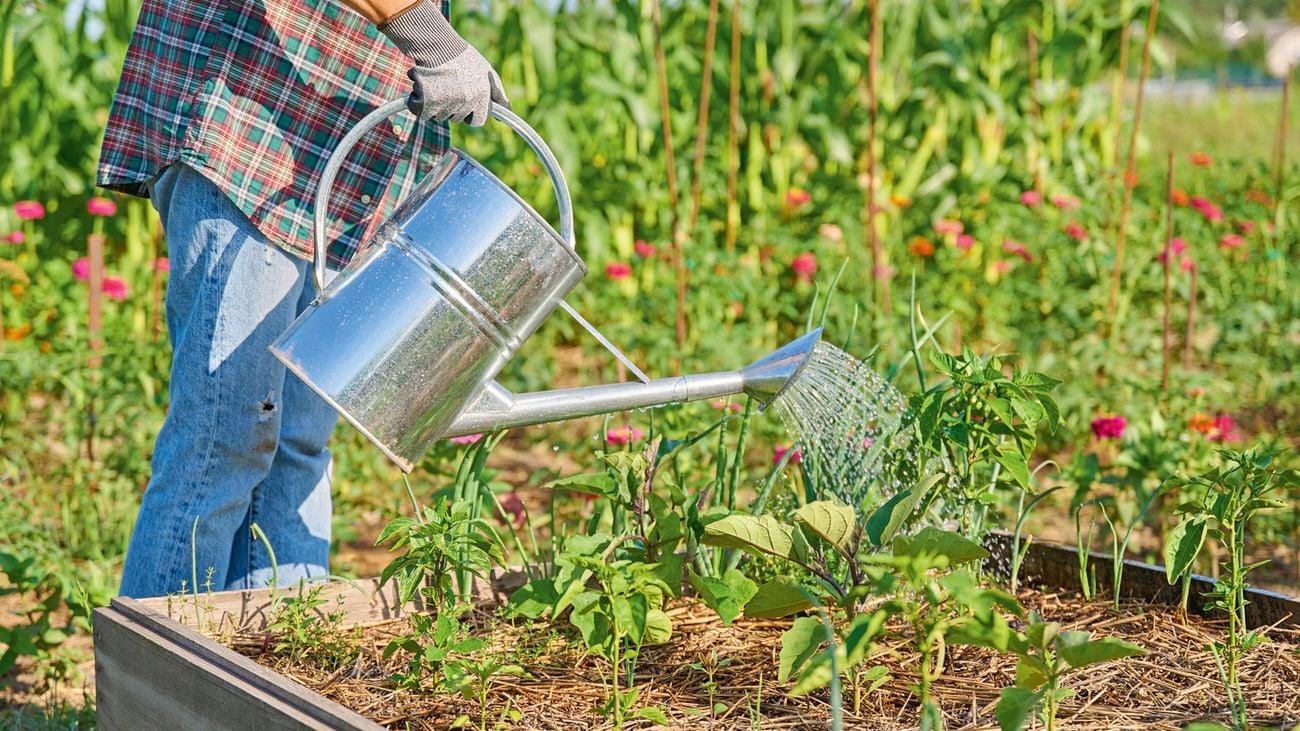
- Watering: Keep veges evenly watered.
What to do in the garden in autumn: First weekend
One of the most important autumn gardening jobs for the first weekend is feeding plants, tidying summer growth and striking geranium cuttings.
- Fertilise plants to help replenish the nutrients they’ve used over summer. A controlled-release formulation will feed for up to six months, but make sure you use a product to suit your plants and garden.
- If you've had problems with fungal diseases on the leaves of flowering plants such as roses, frangipani, fuchsia and hollyhocks, collect them as they start to fall, seal in a bag and dispose of them in the rubbish bin, not the compost. Myrtle rust on pōhutukawa, mānuka and rātā is a serious biosecurity threat. If spotted, report to the Ministry for Primary Industries (MPI) immediately.
- Tidy up your geraniums as flowering finishes. You can take non-flowering cuttings to strike new plants. Use a propagation powder or gel to improve cutting success rates.
- Deadhead roses (remove spent blooms) to tidy the plants and encourage autumn flowering. Use clean, sharp secateurs and sterilise blades between cuts.
What to do in the garden in autumn: Second weekend
Preparing the vegetable patch is one of the most practical autumn gardening jobs, and it helps ensure strong growth through winter and spring.
- Remove all those summer crops that have become non-productive and start preparing for your new season planting. Remember, most veges are annual plants – once their decline begins, they are all but finished.
- Improve and refresh the soil in your vege patch with aged manure or well-rotted compost. Water the area well, layer the manure or compost evenly over the surface and dig it in. Then add an organic-based fertiliser such as blood and bone. Water again lightly then mulch with garden-grade lucerne or pea straw, water again, then allow to sit for a couple of weeks.
- While you wait for the soil to settle, sow cool-season vegetable seeds such as lettuce, spinach, cabbages, broccoli and leeks in suitable seedling trays or punnets.
What to do in the garden in autumn: Third weekend
Leaf fall is common at this time of year, and managing it is one of the simplest autumn gardening tips to keep beds healthy and improve soil naturally.
- Leaves are a fantastic free resource. If you make your own compost, then add them to the pile, ensuring you balance their bulk with green material such as lawn clippings. Alternatively, use leaves as garden mulch.
- Get pruning. As deciduous trees drop leaves and become bare, the need for maintenance pruning may become more obvious as damaged, diseased or dead branches are revealed. Use pruners or secateurs for light pruning tasks. Consider investing in a pole saw or chainsaw for bigger jobs.
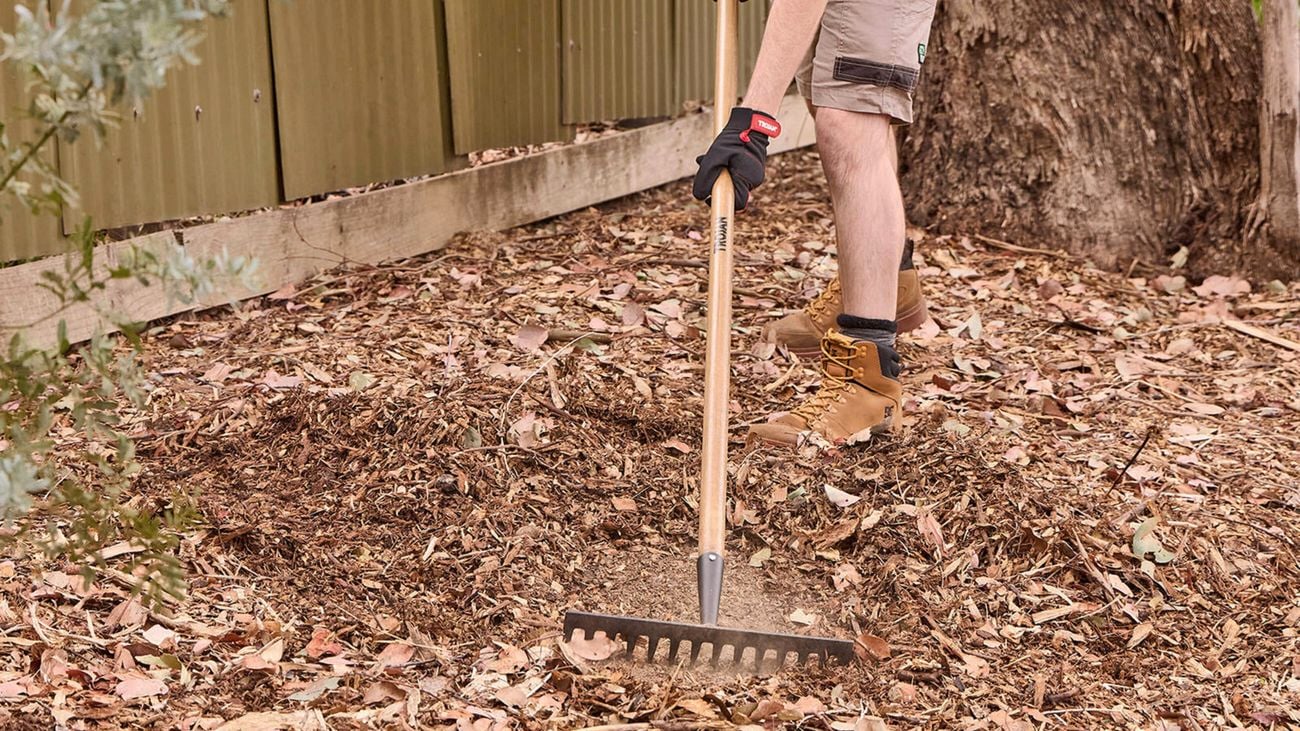
- Give the lawn attention. Manually remove any large weeds – a long-reach weed puller can make the task easier, or use a selective herbicide. Many weeds continue to grow in winter, so tackling them now will leave you with fewer to deal with when spring arrives. Remove built-up thatch with a steel-tine rake, then aerate the lawn to increase oxygen movement to the roots and enhance drainage.
- Early autumn is perfect for over-sowing to thicken the lawn and fix any bare spots. Now’s a good time to give it a feed, too. Go for a slow-release product to help build winter resilience and use a fertiliser spreader for even and consistent application.
- Treat weeds. If you had an Onehunga weed problem in the summer, start treating your lawn now. Onehunga is a cool-season annual weed and those annoying prickles are in fact its seeds that start to germinate in autumn. Use a suitable weed-and-feed product now, and again in winter.
What to do in the garden in autumn: Fourth weekend
Plant trees and shrubs while the soil is still warm but prep the planting area first to suit specific needs.
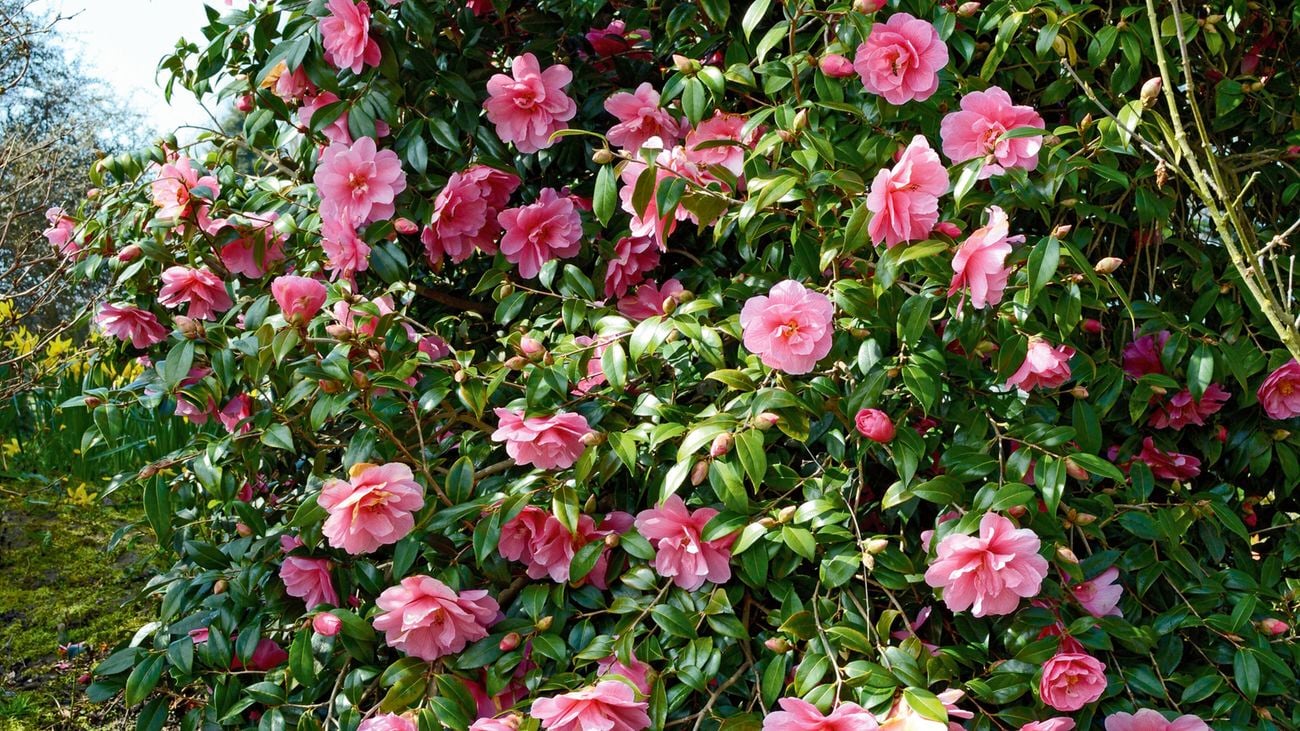
- Pay attention to your camellias in autumn. Sasanqua camellias are the earliest flowering of the camellias and they come into bloom in late autumn/early winter. Wander the nursery section to find a flower colour you love. Sasanquas are more sun-tolerant than other species and take to pruning well, so are good for hedging and screening.
- Plant popular spring-flowering bulbs now. Nothing says spring like a jubilant display of spring-flowering bulbs. Buy daffodils, jonquils, freesias, tulips and more now. Some bulbs, including tulips, like a little chill time before planting, so clearly mark their bags and put them in the fridge crisper for a few weeks before planting.
- Stay vigilant for pests. Sap-suckers such as aphids will home in on any plants with lush new growth, so pay particular attention to newly planted veges and annual flowers.
- Tend your dahlia beds in autumn. Did you enjoy a colourful display of dahlias in garden beds or pots over the summer? If you’re in a warmer zone and they are planted in well-draining soil, dahlia tubers can be left in the ground. If you’re in a cooler zone, especially one where winters may be damp, then lift the tubers, trim back roots and shoots and store in a cool, dry, dark place in a mix of sawdust and propagating sand until spring.
Autumn gardening tips for dealing with pests
Dealing with pests is an important part of autumn gardening jobs, especially as cooler weather changes plant growth patterns. Want to know an easy way to spot signs of sap-sucking pests on your plants? Look for busy black ants running up and down stems and trunks. Sap-suckers such as aphids and scale excrete a sugary liquid, which black ants feed on. The ants seek out these pests for an easy feed and can even move them to more succulent parts of a plant, like a farmer moving their cows to a lusher paddock! So follow the ant trail and chances are you’ll find the pests. Most of these smaller pests can be dealt with using a horticultural oil spray.
How to improve soil in an existing garden
It’s not just plants that benefit from a regular feed. Soil contains a complex community of microorganisms that help make nutrients available to plants and improve soil quality and structure - and they need the right ingredients to thrive. Feeding the soil is as simple as adding well-rotted compost or manure. To really turbo-charge the process, use a biologically activated product for even better nutrient cycling and stronger overall plant health.
Keep in mind...
- Store all garden chemicals and products out of reach of children and pets.
- Wear gloves and a mask when handling mulch, compost and potting mix and also when pruning, along with long sleeves, as the leaves and sap of some plants can be a skin irritant and cause allergic reactions.
- When using power tools, always protect ears and eyes with ear muffs and safety glasses (gloves and mask are also recommended), and follow the manufacturer’s instructions.
- Take care when selecting your plants, as some can be poisonous to children and pets, and check their suitability for your area, as some may be classified as weeds in certain regions.
Prepare your winter vegetable patch now
Discover what vegetables thrive in New Zealand winters.
Photo credit: Adobe Stock.


 Lowest Price Policy^
 Free delivery* with
 4 hour Click & Collect
 Easy in-store Returns

![A colourful garden in early autumn showing seasonal planting and maintenance typical of autumn gardening jobs.]](https://media.bunnings.com.au/api/public/content/2550ff555f264e8fac0ab51c2dbd13d8?v=5c83b179&t=w1100dpr2)


