


 Lowest Price Policy^
 +40,000 Products
 2 hour Click & Collect
 Easy in-store Returns
How to plant and grow a kumquat tree

What you need to know about kumquat trees
Name: kumquat, cumquat, Meiwa kumquat (Citrus crassifolia or Fortunella crassifolia), Nagami kumquat (Fortunella margarita), Marumi kumquat (Fortunella japonica).
Height: 1-3m.
Plant type: evergreen tree.
Climate: subtropical, arid, cool and warm-temperate.
Soil: moist, well-drained, enriched with plenty of organic matter.
Position: full sun.
Foliage: shiny, dark-green leaves, fragrant when crushed.
Flowering and fruiting: masses of small, white, fragrant, star-shaped flowers in spring and summer, followed by bright-orange round or oval fruit from autumn through winter.
Feeding: citrus are hungry plants; feed each season with a complete organic fertiliser, but not when they’re in flower.
Watering: water regularly, especially when flowering and fruiting.
Appearance and characteristics of kumquat trees
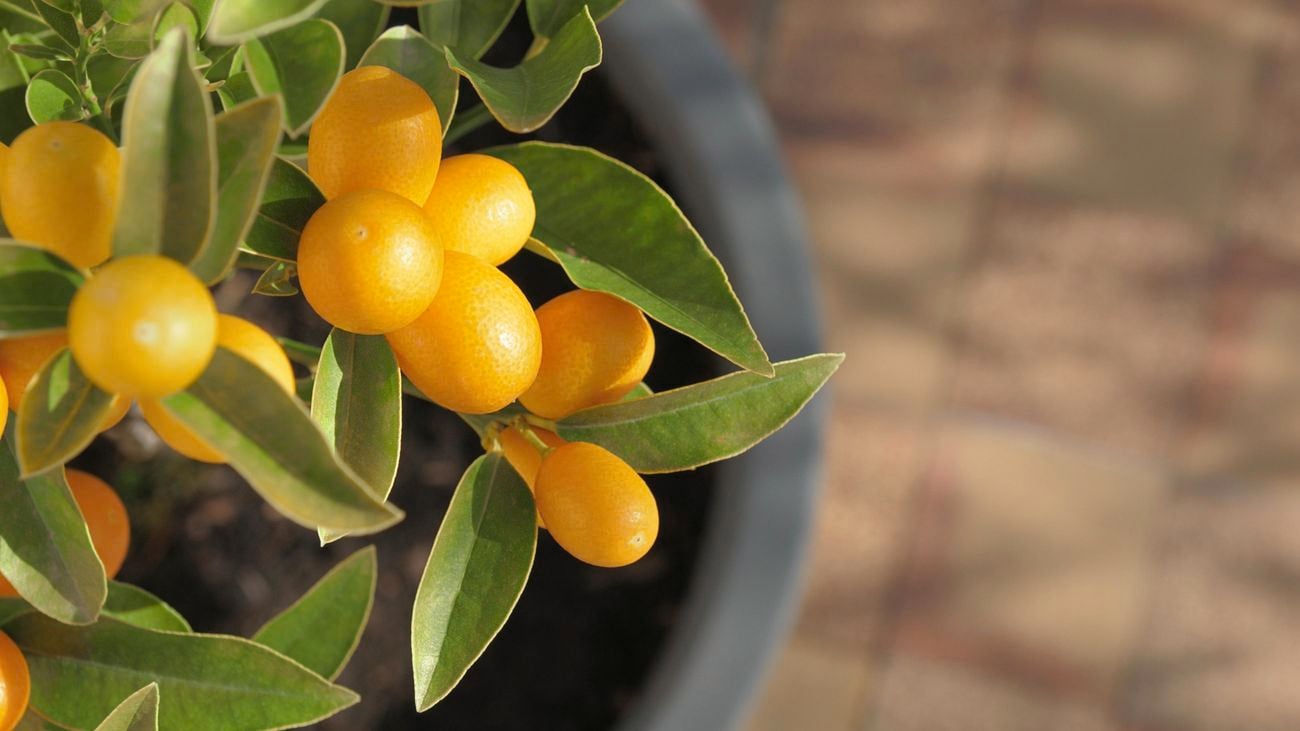
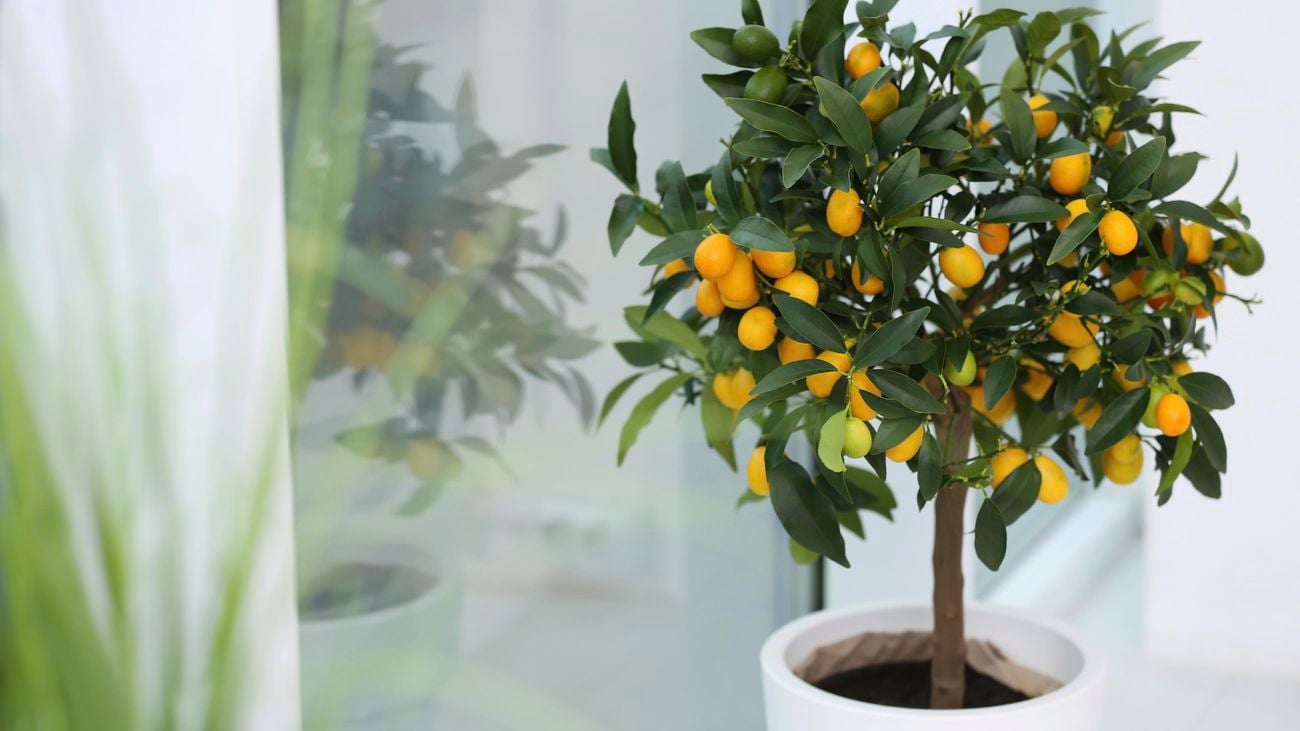
Kumquats are compact evergreen trees with a dome-shaped crown. The branches are mostly thornless and tightly packed with glossy, dark-green leaves. They are slow growing, eventually reaching 3m tall, but dwarf forms grow to only 1m. All are ideal for large pots (40-60cm) or small gardens. Kumquats are the most cold-tolerant of citrus and are able to withstand light frosts once established.
Popular varieties include Nagami, Marumi and Meiwa. Nagami has oval-shaped fruit with a sweet rind and tart flesh. Marumi produces round fruit that are mildly tart, while Meiwa – thought to be a natural hybrid of Nagami and Marumi – has rounded fruit and is the sweetest of the cumquat varieties.
Uses for kumquats
Kumquats can be eaten straight off the tree (rind and all), sliced and tossed into salads, preserved whole, candied or juiced, or used as an ingredient in cakes. They also make excellent marmalade.
How to grow a kumquat tree
Kumquats thrive in subtropical, arid, and cool and warm-temperate climates. They are the most cold-tolerant citrus species and can withstand light frosts once established, becoming semi-dormant over winter.
Plant a kumquat tree at any time of the year, but ideally in autumn or spring to give it a chance to establish before weather extremes. Choose a spot in full sun with freely draining soil. Dig a hole twice the size of the root ball and to the same depth. Mix a pelletised organic fertiliser into the freshly dug soil and use to backfill when planting. Water in well and mulch around the base with an organic mulch like pine bark, keeping it away from the trunk.
Caring for kumquat trees
Kumquats require minimal care once established. Pruning is occasionally required to remove suckers from the rootstock (near the base of the plant), and to open the canopy, allowing better light and air flow.
How often should you water and feed a kumquat tree
Once established, kumquats are tolerant of dry conditions. However, to maintain tree health and maximise fruit production, water regularly when flowering and fruiting.
Kumquat trees are heavy feeders, so will appreciate an application of a citrus-specific fertiliser in spring, summer, autumn and winter, but hold off feeding while they’re flowering.
How and when to harvest kumquats
Trees take two to three years to crop after planting. Remove any small developing fruit during this time to allow the tree to focus on establishing a strong, healthy framework.
Once ready to harvest, look for fruit that is uniformly orange with firm skin. Ripe kumquats can be left on trees for a few months, as they keep their flavour well.
Diseases and pests that affect kumquats
Kumquat trees may be affected by aphids, mealybugs and scale. Treat at first sight with a combined pyrethrum/pest oil spray.
How to propagate a kumquat tree
Kumquats can be grown from seed, but it’s not recommended, as the resulting tree can take five to 10 years to fruit. It’s best to purchase grafted varieties that will grow and perform as expected.
If you like this then try
Grapefruit: a medium-sized citrus tree with large fruit that is sour to semi-sweet and slightly bitter.
Queensland Davidson plum: a small-medium Australian native tree with tart, plum-like fruit.
Loquat: an attractive shade tree with yellow-orange round to oval shaped fruit.
Start planting today
Check out our wide range of plants now and get your garden growing!
Photo credit: Getty Images


More D.I.Y. Advice


Please make sure you use all equipment appropriately and safely when following the advice in these D.I.Y. videos. You need to be familiar with how to use equipment safely and follow the instructions that came with the equipment. If you are unsure, you may feel it is safest to consult an expert, such as the manufacturer or an expert Bunnings Team Member.
Grave health hazards are linked to asbestos, which may be in homes built up to 1990. Health hazards may result from exposure to lead-based paints in older materials and copper chromium arsenic (CCA) treated timber. For information on the dangers of asbestos, lead-based paint and CCA treated timber and tips for dealing with these materials contact your local council's Environmental Health Officer.