


 Lowest Price Policy^
 +40,000 Products
 2 hour Click & Collect
 Easy in-store Returns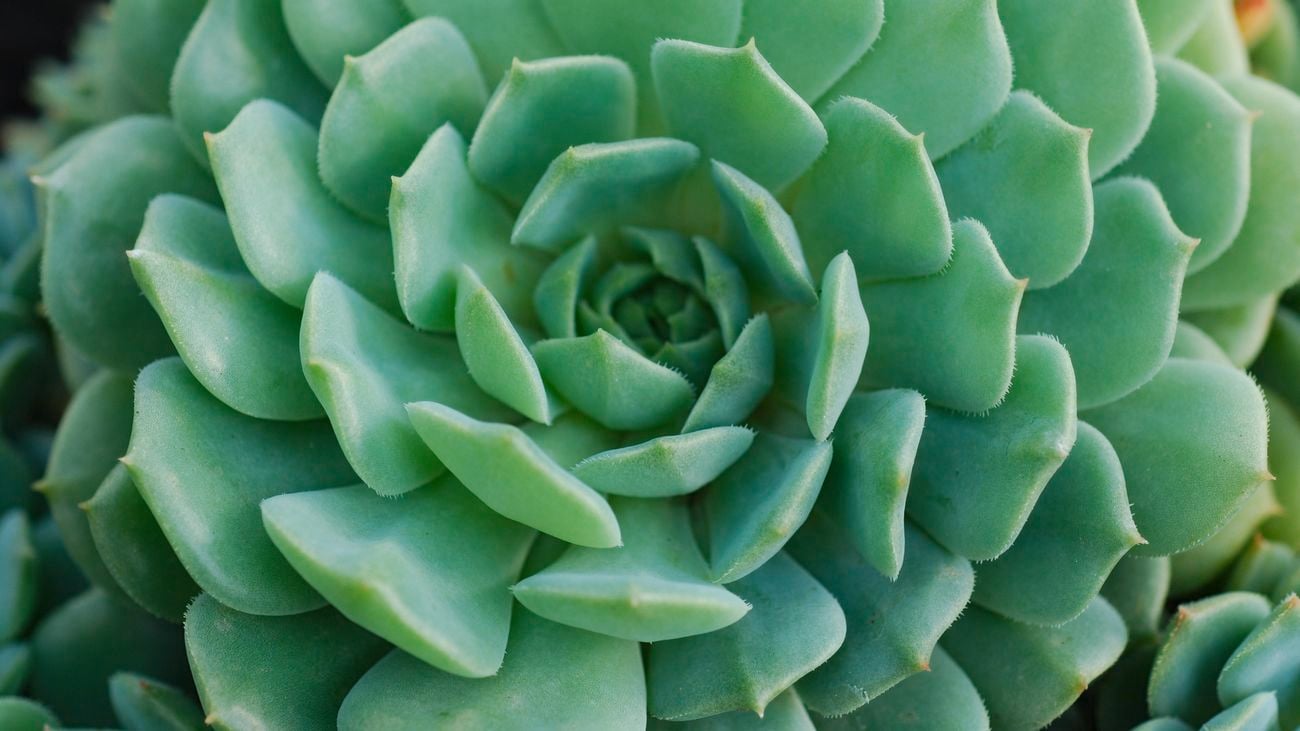

Planting & Growing
Your four-week winter garden planner

Succulents like lots of sunshine, so they’re great for areas where other plants might need regular watering. Succulents also grow well in in pots. A colourful pot combined with a succulent is an easy way to brighten up a balcony, courtyard or deck. They can even be grown indoors, provided they’re in a well-lit area, like a window sill.
One of the common mistakes made with succulents is overwatering. Once every couple of weeks is generally sufficient during the warmer months. Over winter they don’t really need water at all. If you’re unsure, it’s best to hold off rather than water.
Succulents don’t need a lot of fertilising. A dose of slow release fertiliser, that’s low in nitrogen, applied in early spring should see them through their main growing season.
Another great feature of succulents is that they’re really easy to propagate. So you can turn one plant into many and expand your garden for free.
Succulents with shapely leaves are usually the most popular. You don’t have to stick to just one type either. An assortment of succulents can be planted together for maximum effect.
Echeveria is a small variety that grows in attractive rosettes and is particularly suited to small decorative settings. One of the more popular of the Echeveria is the dark-leaved 'Black Prince'.
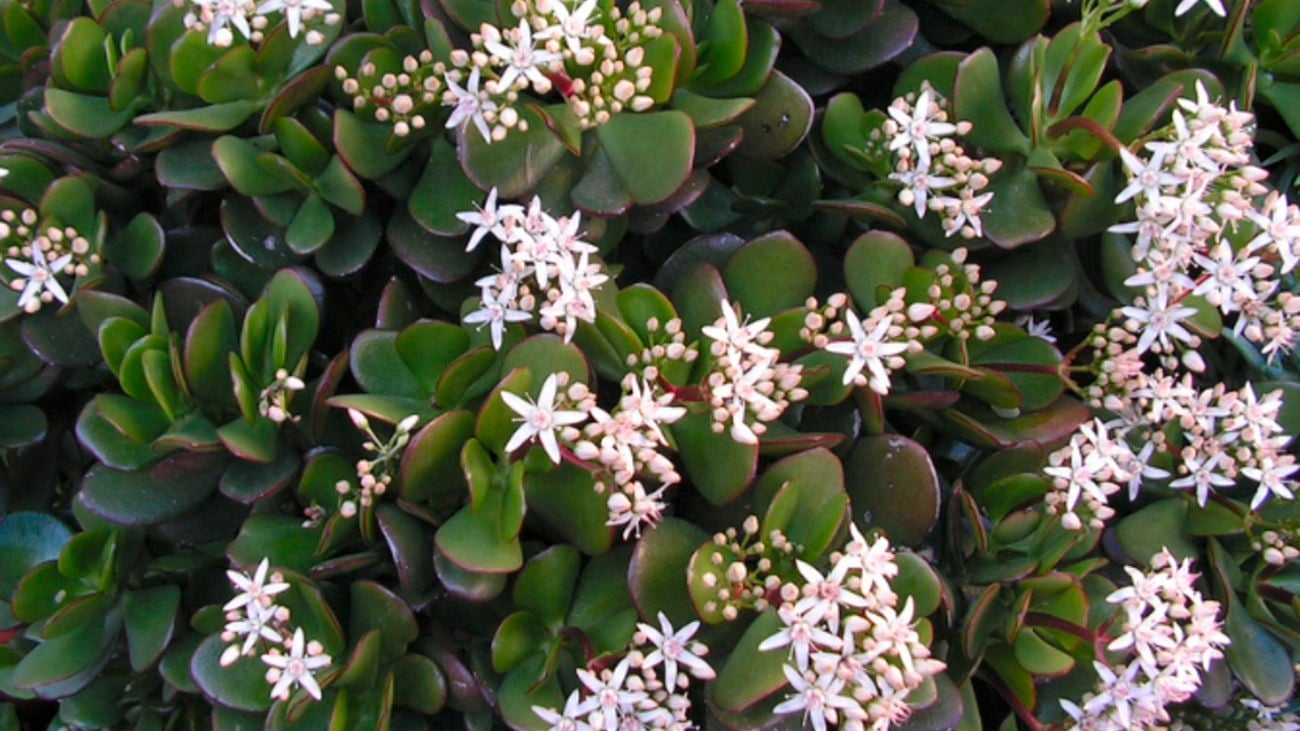
Crassula has large fleshy leaves branching from stems. A popular variety is the Jade plant, which can grow to about 50cm wide in a large pot.
Kalanchoe is a flowering succulent. It blooms in early spring with flushes of flowers in a whole range of colours, including pinks, purples, oranges, reds, yellows, bi-colours and white. Kalanchoe will grow between 15cm and 45cm tall.
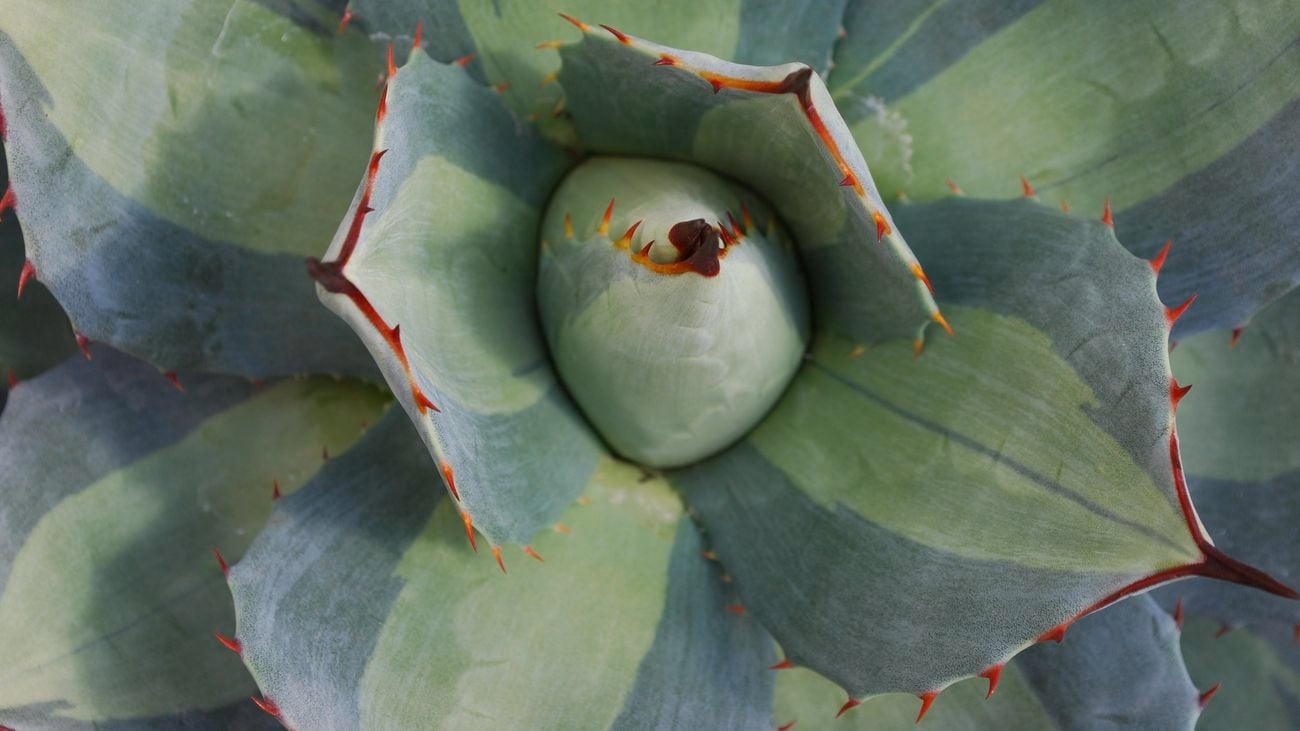
Agaves are large leafed plants that grow in a rosette up to a metre wide. As it grows, shoots sprout along the stem that can be easily propagated.
Check out our full range of succulents and other great garden ideas.


