


 Lowest Price Policy^
 +40,000 Products
 2 hour Click & Collect
 Easy in-store Returns
How to grow stevia

What you need to know about stevia
Name: stevia, sweet leaf, sugarleaf (Stevia rebaudiana).
Height: up to 1m.
Climate: prefers humid tropical and sub-tropical regions, but can be grown in other areas that are protected from frost.
Soil: fertile, well-drained.
Position: full sun or part shade.
Flowering: small white flowers in late summer/autumn.
Foliage: green leaves can be used in place of sugar.
Feeding: organic fertiliser in summer.
Watering: regular watering.
Appearance and characteristics of stevia
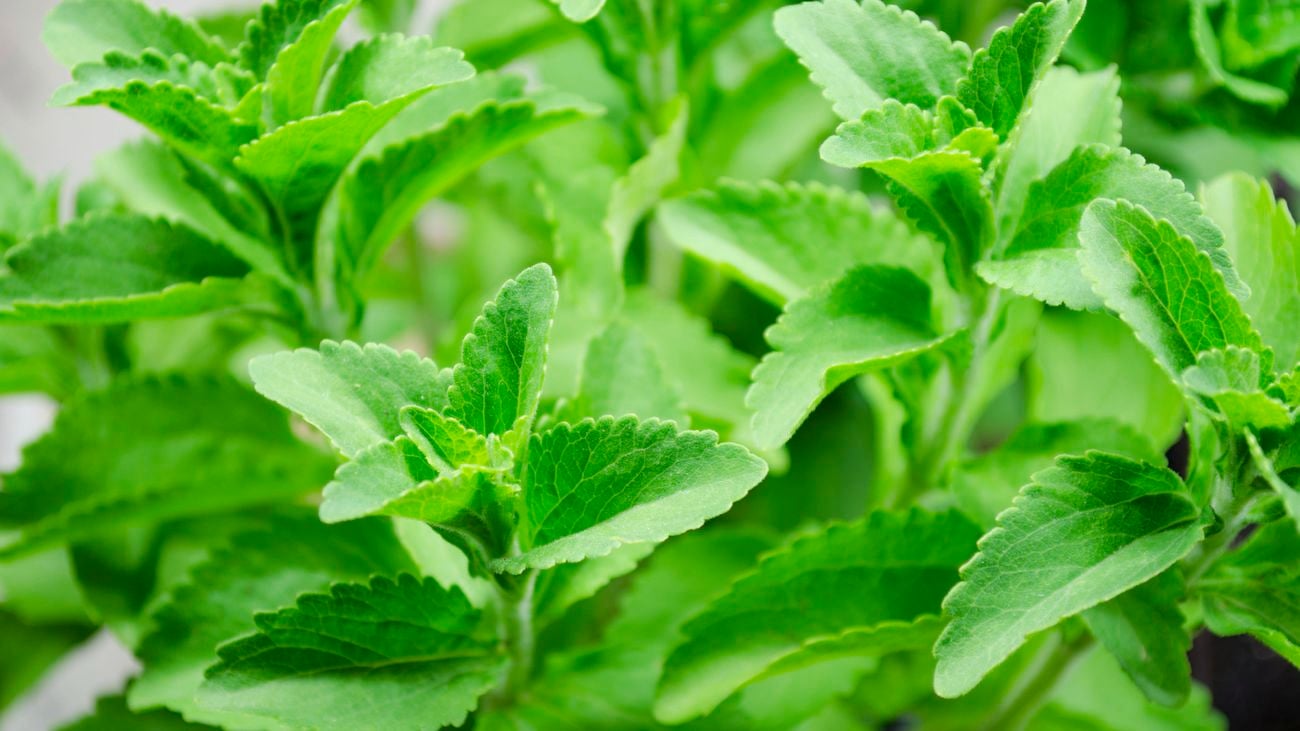
This fascinating herb has small white tubular flowers and dark green leaves. It tends to die down in winter, so in many areas is grown as an annual. It’s widely used as a sugar substitute due to its remarkably sweet leaves, which are said to be 150 times sweeter than sugar.
Uses for stevia
The sweet leaves can be eaten straight from the plant, or they can be dried, powdered or made into a syrup. Stevia is commonly used by people who want to reduce their sugar intake. Approximately one-eighth of a teaspoon of dried, powdered stevia leaves is equivalent in sweetness to a teaspoon of sugar.
How to plant and grow stevia
Stevia is tricky to grow from seed, so purchased plants are best.
- After the last of the frosts have passed, choose a sunny, well-drained spot in the garden. If you live in an area where the summers are very hot, however, your plant will appreciate a bit of afternoon shade. It will also grow well in a pot – just don’t let it dry out.
- Three or four plants should be enough to provide you with plenty of dried leaves. Plant them 35–40cm apart.
- Regularly harvesting the leaves will help encourage bushy growth.
- The leaves harvested just as the plants starts to flower will be the sweetest.
Caring for stevia
Stevia requires regular watering during warmer periods to prevent the roots from drying out. The addition of a layer of compost or mulch will help keep the roots moist and cool. If your stevia is in a pot, water it if the surface of the soil feels dry. Avoid overwatering in the cooler months, as stevia is prone to root rot. Stevia doesn’t require much fertiliser, although a feed in mid-summer with a liquid fertiliser will give the plant a boost.
Diseases and pests
Protect your stevia from slugs and snails using a snail gel or a snail and slug barrier. Aphids also find these sweet plants tasty—use Yates Bug Oil Insect Spray to treat these. In warm–humid climates, fungal leaf spot diseases are common. Make sure your plants have good air circulation, and treat with an organic fungicide. Root rot can be a problem if your soil is too wet, so take care not to overwater your stevia.
How to propagate stevia
Growing stevia from cuttings
Stevia seeds can be difficult to germinate, so the best way to propagate stevia is by cuttings in late summer.
- Take cuttings of about 10–20cm.
- Plant these in good-quality cutting mix and keep moist.
- When your cuttings have formed strong roots, pot them into larger pots.
- Plant them into the garden in spring, after the threat of frost has passed.
Safety tip
After applying fertiliser, delay harvesting for a few days and rinse well before cooking and eating. If using products to deal with pests, diseases or weeds, always read the label, follow the instructions carefully and wear suitable protective equipment. Store all garden chemicals out of the reach of children and pets.
If you like this then try
Basil: a great herb that has the same growing requirements as stevia. Perfect for savoury dishes.
Peppermint: a popular and easy-to-grow herb with a delightful mint flavour.
Oregano: a quick-growing, low-maintenance culinary herb for the garden or in pots.
Parsley: curly parsley or Italian parsley; both are hardy herbs for sun or shade.
Start planting today
Check out our huge range of plants now and get your garden growing!


More D.I.Y. Advice


Please make sure you use all equipment appropriately and safely when following the advice in these D.I.Y. videos. You need to be familiar with how to use equipment safely and follow the instructions that came with the equipment. If you are unsure, you may feel it is safest to consult an expert, such as the manufacturer or an expert Bunnings Team Member.
Grave health hazards are linked to asbestos, which may be in homes built up to 1990. Health hazards may result from exposure to lead-based paints in older materials and copper chromium arsenic (CCA) treated timber. For information on the dangers of asbestos, lead-based paint and CCA treated timber and tips for dealing with these materials contact your local council's Environmental Health Officer.