


 Lowest Price Policy^
 +40,000 Products
 2 hour Click & Collect
 Easy in-store Returns
How to grow cuphea

What you need to know about cuphea
Name: cuphea, false heather (Cuphea hyssopifolia), Mexican heather (Cuphea mexicana), cigar flower or firecracker plant (Cuphea ignea), tiny mice or bat-faced cuphea (Cuphea llavea).
Height: 40-60cm.
Plant type: evergreen shrub.
Climate: warm and cool temperate, subtropical, tropical and arid.
Soil: moist, well-drained soil.
Position: full sun to part shade.
Foliage: small elliptical green leaves.
Flowers: small trumpet-shaped or tubular flowers appear throughout the year. Colours vary depending on the species. C. hyssopifolia has white, pink or mauve/purple blooms, C. Illavea has red and purple flowers capped with two striking-red petals, and flowers of C. ignea are long, thin and reddish-orange.
Feeding: slow-release fertiliser in spring.
Watering: tolerates dry conditions once established, but does best with regular water.
Appearance and characteristics of cuphea
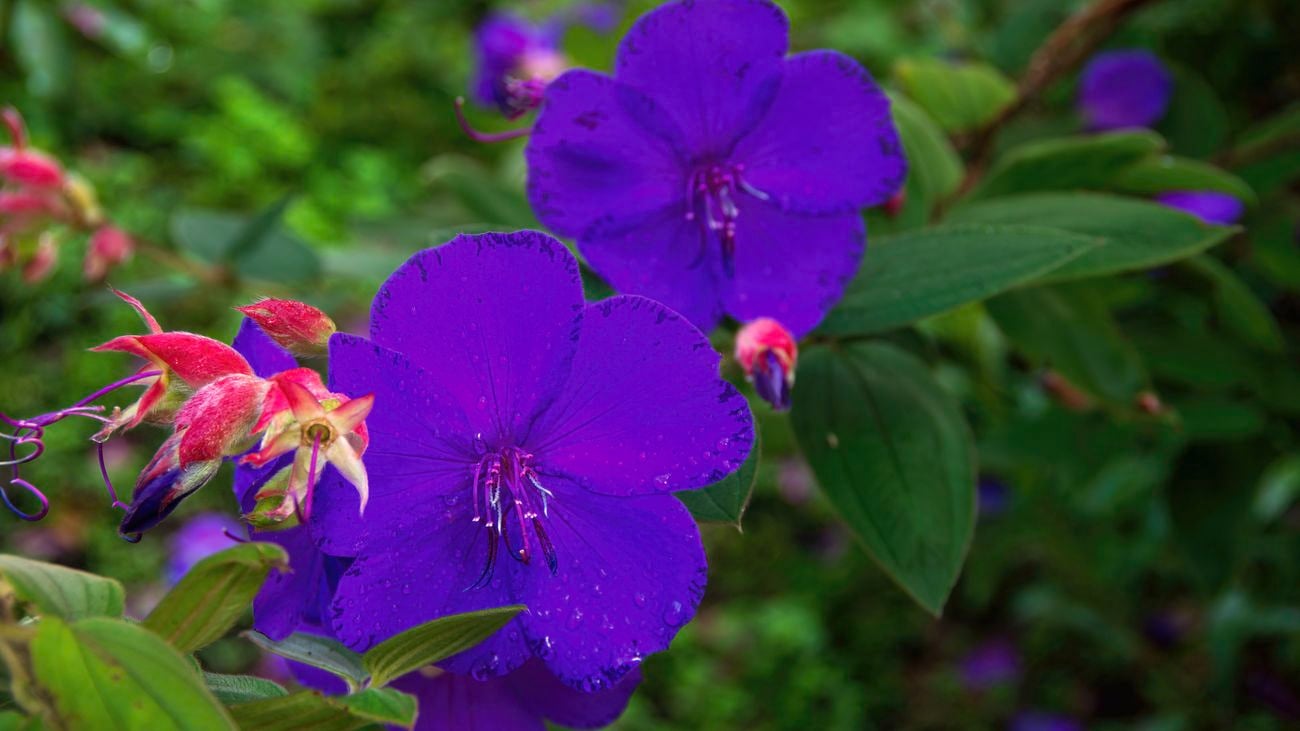
Cuphea is a small, low-growing, multi-stemmed shrub with small glossy-green leaves and brightly coloured flowers. The long-lasting, dainty blooms appear in spring and summer (or throughout the year in frost-free climates), nearly covering the shrub. Flowers may be white, pink, mauve/purple, red and purple, or red-orange, depending on the species. It is a hardy shrub once established, tolerating heat, dry periods, coastal conditions and light frosts.
Uses for cuphea
Cuphea’s neat and compact form makes it a fabulous choice for rockeries, borders, pots and hanging baskets. It can also be clipped and maintained as a low hedge. Great in a low-maintenance, waterwise garden.
How to grow cuphea
Cuphea thrives in most climates and can be planted at any time of the year. In cooler areas, it’s best to wait until the last chance of frost has passed. Choose a spot in full sun with well-drained soil and enrich with organic compost or aged manure. If planting in pots, use a premium potting mix.
Caring for cuphea
To keep cuphea looking compact and tidy, prune it lightly after flowering has finished.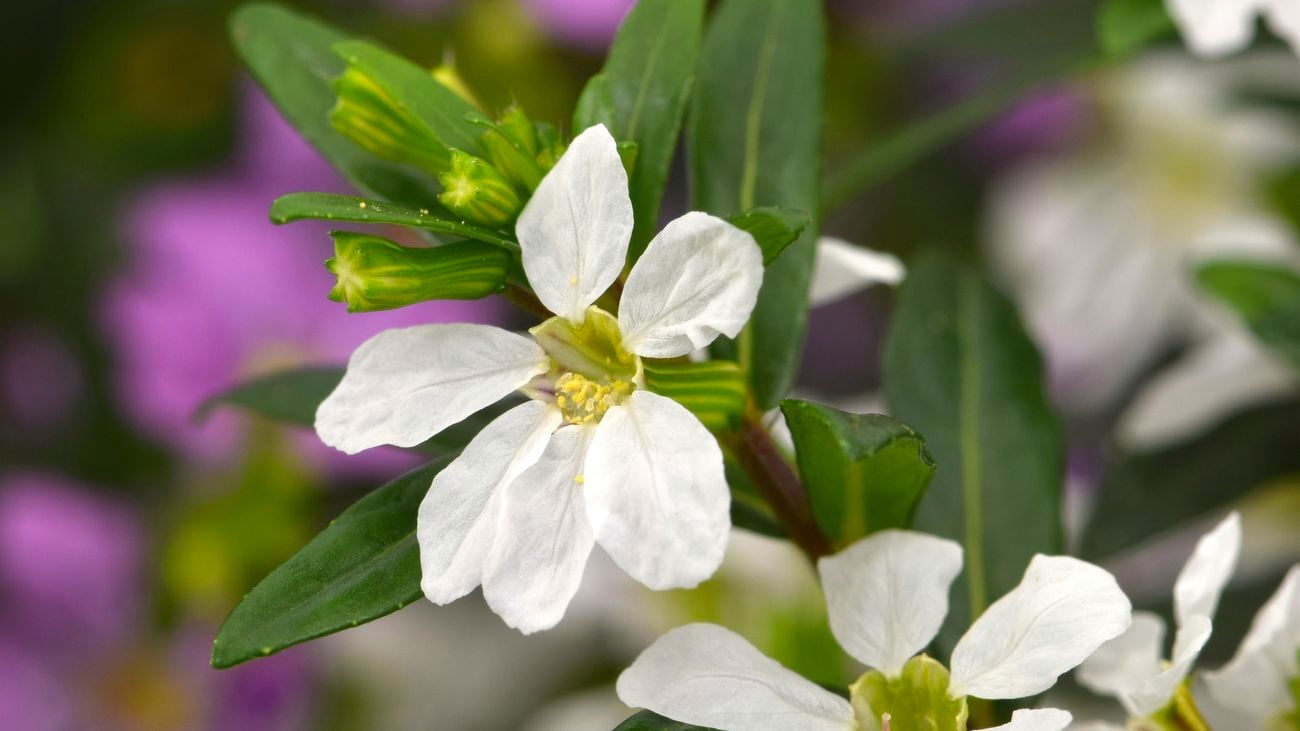
How often should you water and feed cuphea?
Cuphea is tolerant of dry conditions once established, but it grows best with regular watering. Spread a layer of organic mulch around the plants to help conserve moisture. Feed with a slow-release organic fertiliser in spring and autumn.
Diseases and pests that affect cuphea
Cuphea has few pest or disease problems. They may occasionally attract aphids or whitefly. If the infestation is severe, control with an organic spray.
How to propagate cuphea
The easiest way to propagate cuphea is with cuttings. Use clean, sharp secateurs to cut 15cm lengths from the ends of branches. Remove the lower leaves, dip the cut end into rooting hormone and put in a pot or tray filled with propagating mix. Lightly water to keep the mix moist and transplant once the roots are established (approximately 5-7cm long).
If you like this then try
Angelonia: a tough annual or perennial with masses of vibrant-coloured blooms.
Cosmos: this annual is a cottage-garden favourite, with daisy-like flowers on tall, slender stems.
Billy buttons: an Australian native with mustard-yellow spherical blooms; great for cut flowers and dried flower arrangements.
Start planting today
Check out our huge range of plants now and get your indoor garden growing!
Photo credit: Getty Images


More D.I.Y. Advice


Please make sure you use all equipment appropriately and safely when following the advice in these D.I.Y. videos. You need to be familiar with how to use equipment safely and follow the instructions that came with the equipment. If you are unsure, you may feel it is safest to consult an expert, such as the manufacturer or an expert Bunnings Team Member.
Grave health hazards are linked to asbestos, which may be in homes built up to 1990. Health hazards may result from exposure to lead-based paints in older materials and copper chromium arsenic (CCA) treated timber. For information on the dangers of asbestos, lead-based paint and CCA treated timber and tips for dealing with these materials contact your local council's Environmental Health Officer.