


 Lowest Price Policy^
 Free delivery* with
 4 hour Click & Collect
 Easy in-store Returns
How to grow and harvest dill

What you need to know about dill
Name: dill, Anethum graveolens.
Height: 0.4-1m.
Plant type: annual herb.
Climate: all climates.
Soil: well drained and enriched with compost or well-rotted manure.
Position: full sun.
Flowers: an umbel of small, aromatic yellow flowers.
Foliage: fine, feathery leaves.
Feeding: liquid feed during the growing season.
Watering: water regularly to keep the soil moist.
Appearance and characteristics of dill
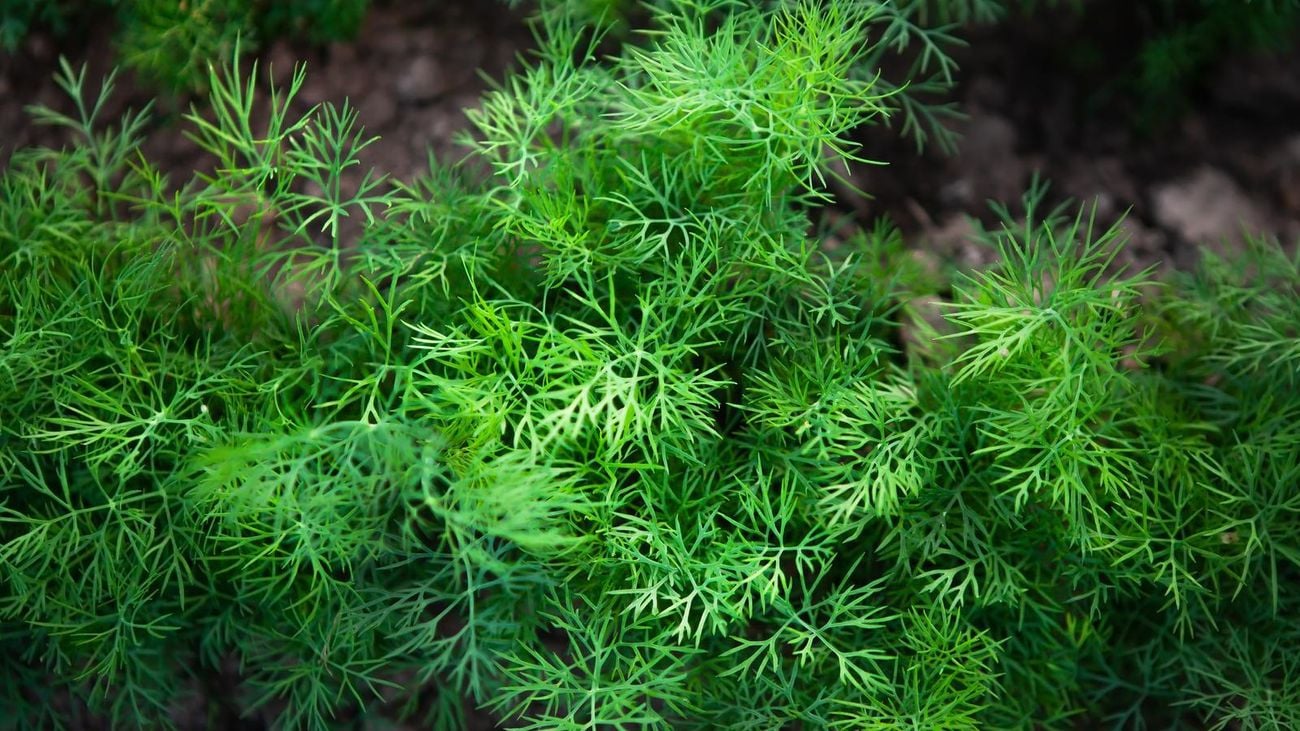
An attractive aromatic herb with fine, feathery foliage that can grow up to 1m tall in the right conditions. This clumping herb can be grown from spring to autumn in most climates, avoiding extreme heat and cold. Leaves have a sweet, grassy flavour with notes of aniseed and parsley. Delicate yellow flowers appear in spring and summer but should be removed to allow the plant to focus on leaf growth. Dill flowers, like the leaves and seeds, are edible.
Uses for dill
Dill is often used to flavour fish, boiled and scrambled eggs, and poultry dishes. It can also be finely chopped and used in gravy or as a garnish for soups, roast vegetables, and salads. Its fine, fern-like foliage makes an attractive feature in pots and flowerbeds, and it looks right at home in a cottage-style garden.
How to grow dill
Grow dill from seed or seedlings. Choose a sunny spot with rich, well-drained soil and protection from strong winds. If growing from seed, sow directly into pots or garden beds, lightly cover and water. Keep the soil moist while plants are germinating and, when the seedlings are big enough to handle, thin them out to 20cm apart. Sow seeds every few weeks to extend the harvest.
Caring for dill
Dill is a relatively easy-to-grow herb. Water regularly to keep the soil moist and use an organic mulch to help conserve moisture. Remove flowers when they appear as this will encourage more leafy growth.
How often should you water and feed dill?
Water regularly to keep the soil moist. In hot periods, you may need to water every day.
Feed regularly with a liquid fertiliser that’s suitable for leafy herbs.
How and when to harvest dill
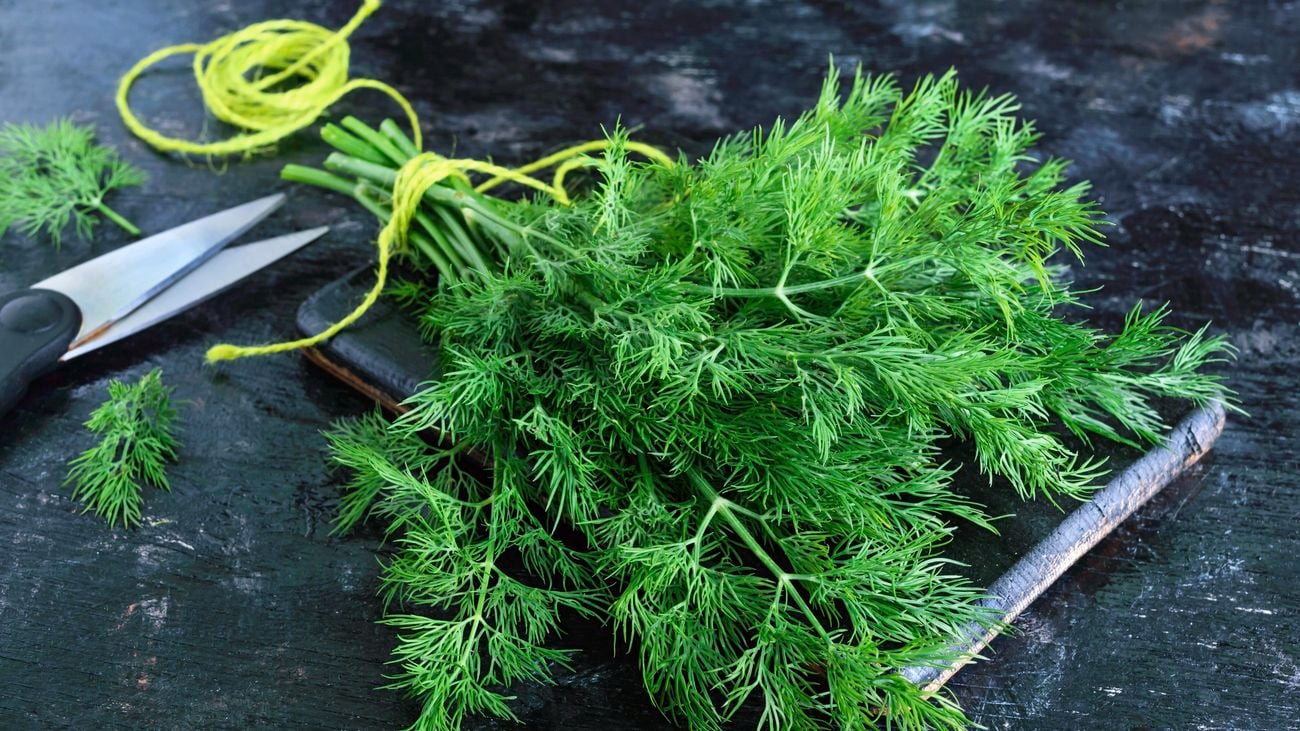
Snip leaves as required.
Diseases and pests that affect dill
Few pests harm dill. Aphids may occasionally find it attractive, but they can be blasted off with a jet of water or sprayed with an organic spray if the infestation is severe.
How to propagate dill
As an annual herb, dill grows best from seed or seedlings. Seeds should be sown directly where plants are to grow, and the seedlings thinned to 20cm apart to allow room for growth.
If you like this, then try
Oregano: a popular and hardy aromatic herb that makes an attractive ground cover.
Sage: the silvery-green leaves are popular in both medicinal and culinary practices.
Italian or flat-leaf parsley: this versatile herb is full of flavour and teeming with nutrients.
Start planting today
Check out our wide range of plants now and get your garden growing!
Photo Credit: Getty Images


More D.I.Y. Advice


Please make sure you use all equipment appropriately and safely when following the advice in these D.I.Y. videos. You need to be familiar with how to use equipment safely and follow the instructions that came with the equipment. If you are unsure, you may feel it is safest to consult an expert, such as the manufacturer or an expert Bunnings Team Member.
Grave health hazards are linked to asbestos, which may be in homes built up to 1990. Health hazards may result from exposure to lead-based paints in older materials and copper chromium arsenic (CCA) treated timber. For information on the dangers of asbestos, lead-based paint and CCA treated timber and tips for dealing with these materials contact your local council's Environmental Health Officer.