


 Lowest Price Policy^
 +40,000 Products
 2 hour Click & Collect
 Easy in-store Returns
How to grow and care for burdock

What you need to know about burdock
Name: burdock, gobo, Arctium lappa.
Height: 60cm in first year to over 120 cm in second year.
Climate: prefers cold temperate or warm temperate; sub-tropical and tropical as a winter crop.
Soil: deep, rich, well-drained soil.
Position: open sunny position or part shade.
Flowering and fruiting: purple or white flowers ripening to spiky burr-like seed pods.
Feeding: generally, doesn’t need feeding but can be boosted with general purpose organic fertiliser in spring.
Watering: keep soil moist but not wet.
Appearance and characteristics of burdock
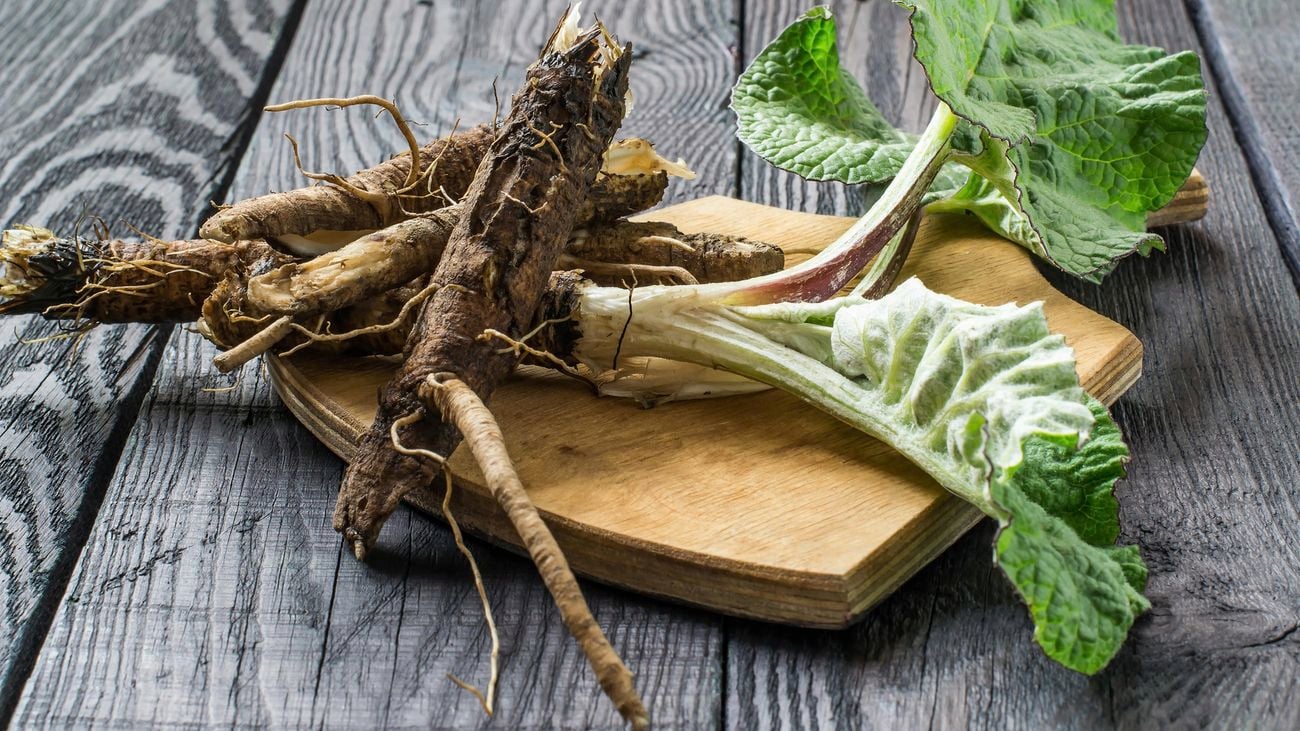
Burdock plants produce long, fleshy taproots a bit like parsnips but thinner. The plant looks a bit like celery with thick stalks and large triangular leaves. Tall flower stalks with thistle-like purple flowers appear in the second year. Each flower has a bristly green burr – when it ripens, it sticks on clothing and animals’ fur. These burrs were the inspiration for Velcro!
Uses for burdock
Burdock is grown as an ornamental, culinary and medicinal herb. The young leaves are used in salads or cooked, and the roots and flower spikes are used in a range of cuisines as pickles or steamed, baked or boiled. Some cultures collect the seeds, sprout them and eat them like bean sprouts. Various parts of the plant have been used for centuries to treat all manner of ailments and it is highly valued as a medicinal herb.
Burdock root can also be used as a tea – it’s believed to have purifying and detoxing qualities.
How to plant and grow burdock
- Plant this highly adaptable herb in spring in light, sandy, deep soil in partial shade to full sun. Because of its long roots, burdock isn’t suitable for pots.
- If you want to get the best from your burdock, plant it in deep, fertile, well-drained soil in full sun and give it plenty of water. This will ensure you get the delicious tender stems and leaves and good quality large roots.
- You can start picking the leaves at any time but make sure you leave some plants to develop good sized roots.
- You can dig them to harvest the roots after about 10 weeks. Just make sure you cut the flower heads off any plants you leave in the garden to stop them forming burs and seeds which could spread throughout your garden and the neighbourhood.
- Burdock produces large amount of seeds so this makes it potentially very invasive.
How often should you water and feed burdock?
Water your burdock to keep the soil moist but not wet, particularly during dry periods. These plants will happily grow without any feeding, but you can give them a boost with a good quality general purpose organic fertiliser in spring and summer.
Diseases and pests of burdock
Not much will bother these robust plants, however snails and slugs find the stems and leaves tasty, so protect them with snail bait or try coffee grounds sprinkled around the base of the plant. Nematodes can also be a problem – these microscopic long thin worms burrow into the roots causing tumor-like growths. The plant won’t be able to take up water and nutrients, so the first sign is often rapid wilting. Remove any infected plants and burn them or solarize them by sealing them in a plastic bag and leaving it in the sun. Mustard is a natural soil fumigant, so plant mustard seed where your burdock was removed and as it grows it’ll naturally fumigate and protect the soil.
How to propagate burdock
Growing burdock from seed
Burdock can be easily grown from seed in cooler areas in spring, and in warmer climates in autumn.
- Sow seeds directly in the ground – just make sure you prepare the area for planting by digging over the soil to a depth of around 50cm so that the roots have plenty of room to grow.
- You can also sow the seed into seedling trays using a good quality seed raising mix.
- Keep the tray moist and plant out your seedlings when they’re about 3cm tall after the threat of frost has passed.
If you like this then try
Tarragon: vigorous, easy to grow annual herb with a mild aniseed flavour
Marjoram: related to oregano, but with a milder, sweeter flavour; an essential kitchen herb.
Marigold: the cheerful annuals with yellow or orange flowers are said to repel nematodes and other garden pests.
Start growing today
Check out our huge range of plants now and get your garden growing!


More D.I.Y. Advice


Please make sure you use all equipment appropriately and safely when following the advice in these D.I.Y. videos. You need to be familiar with how to use equipment safely and follow the instructions that came with the equipment. If you are unsure, you may feel it is safest to consult an expert, such as the manufacturer or an expert Bunnings Team Member.
Grave health hazards are linked to asbestos, which may be in homes built up to 1990. Health hazards may result from exposure to lead-based paints in older materials and copper chromium arsenic (CCA) treated timber. For information on the dangers of asbestos, lead-based paint and CCA treated timber and tips for dealing with these materials contact your local council's Environmental Health Officer.