


 Lowest Price Policy^
 +40,000 Products
 2 hour Click & Collect
 Easy in-store Returns
How to grow and care for banana trees

What you need to know about banana trees
Name: banana (Musa species and cultivars).
Plant type: perennial growing from a large rhizome.
Height: 5+ metres but home and garden varieties from 2–4 metres
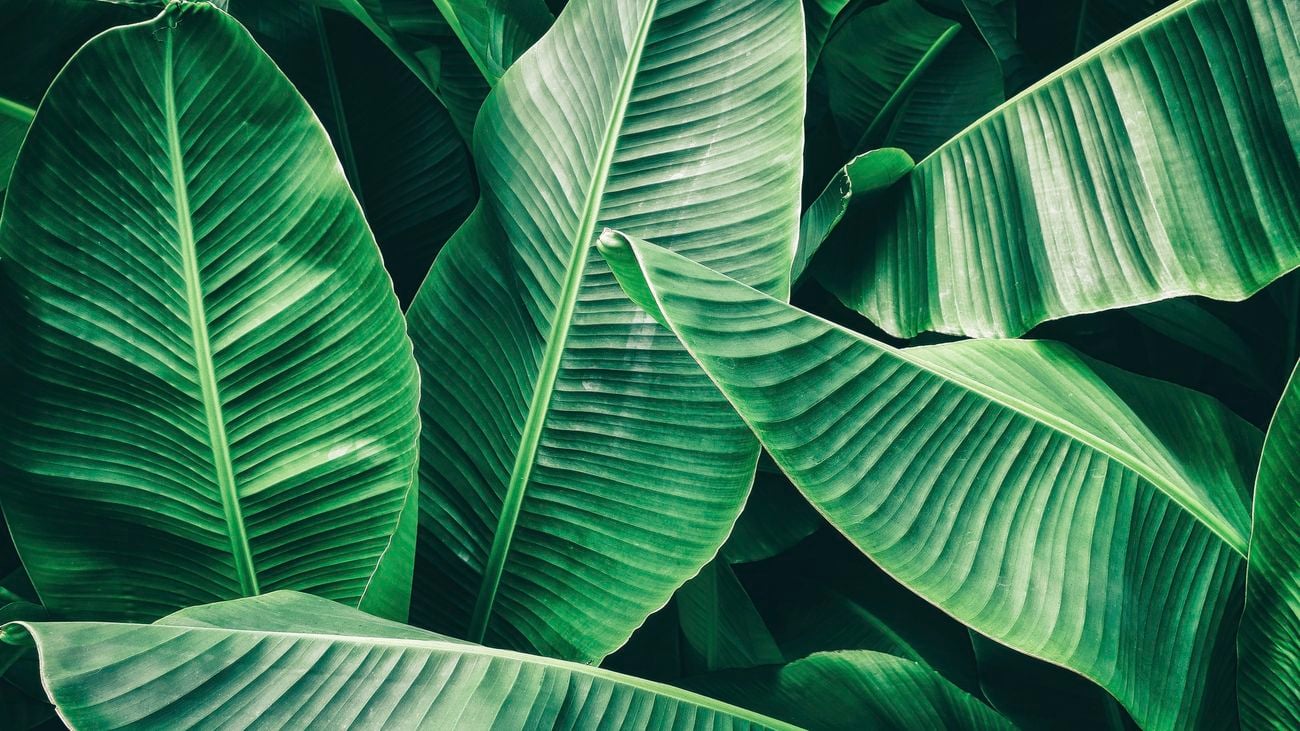
Foliage: very large, 2 metres long by 50+cm wide. Light, lush green, prominent veins and mid-rib.
Climate: tropical, sub-tropical, warm temperate and warm micro-climates in cool temperate.
Soil: deep, rich with reliable moisture. Can adapt to virtually all but sandy soil.
Position: full-sun, protected from winds.
Flowering and fruiting: varies with variety and location.
Feeding: requires regular feeding with both controlled release fertiliser and organic matter such as well-composted manures.
Watering: must have reliable moisture but won't tolerate waterlogging.
Appearance and characteristics
Banana trees are well known for the following characteristics:
- Upright fleshy “trunk” that is often partially covered with old leaf bases. Individual leaves can be enormous, two metres or more long by 50cm wide.
- Leaves are a beautiful lush, light limey-green colour and may have patches of darker variegations on them.
- In exposed spots leaves can become torn and raggedy.
- Very distinctive flower and fruit “bell”. Layers of purplish sheaths protect each flower layer, these flower layers will become “hands” of bananas. A pendulous purple bell is often retained on the end of the flower stem.
- Not all bananas are towering specimens. There are some excellent varieties that will only grow to around two metres, that's just a little above the height of a regular fence and they'll even do well in large tubs!
Uses for banana trees
Banana trees are an excellent fruiting plant for the home garden, make a great landscape backdrop plant and are an attractive foliage plant.
Preferred conditions
Bananas are considered as a tropical and sub-tropical plant, however, they can grow in protected micro-climates in warm temperate and even cool temperate zones.
For best flowering and fruit development, plant in a position that will receive full sun.
In cooler areas try to find a sheltered location near a northerly facing wall. In these climates, growth will all but stop when temperatures drop below around 15°C. Once it warms up again they'll kick back in. Frost will damage leaves but they will reshoot come spring. Note that temperatures below –4°C will likely kill plants.
Ideally soil should be open, free-draining, rich and reliably moist however bananas will tolerate virtually any sort of soil except sandy or boggy.
Planting tips
Keep the following in mind when planting a banana tree:
- Add plenty of well-composted manures or compost at planting time.
- Improve soil in a large area, at least three to four times the pot width and twice as deep as the pot.
- Apply a quality controlled release fertiliser.
- Mulch heavily but ensure it is well clear of the stem.
Care tips and regular maintenance
Follow these tips and your banana tree will thrive:
- Keep your banana tree well-watered during hot, dry weather.
- Regularly top up mulch.
- Trim off any dead leaves.
- Liquid feed regularly.
- Side dress with well-composted manure every month or so during peak growing times.
- As the flower develops the small fruit form and are downward pointing. As soon as they start to turn upwards put a bag over the developing bunch. This keeps birds and bats off the fruit.
- You can buy specialised covers or just cut the base from a heavy-duty garden waste bag with a draw-string top. Slip this up the fruit and secure.
- When harvesting pick bananas a hand at a time as they start to ripen faster once picked. If you pick the whole bunch at once you may well find yourself with 30+ kilos of bananas going ripe at the same time!
How to prune and propagate a banana tree
Bananas today are largely sterile so propagation is generally conducted by division. Around the stem of plants you'll see pups or suckers start to appear. These need to be pruned off as they can sap energy from the main stem.
You do want to leave at least one strong sucker per plant as a banana will die once it has fruited, the pup you retained then becomes the new plant.
Excess suckers can be carefully removed and replanted into pots or in your garden to establish new plants.
Which suckers to choose? Professional growers say that the “sword suckers”, these have very narrow leaves, tend to make the best plants.
Pests and diseases affecting banana trees
The biggest problems with banana trees come from wildlife taking the fruit, which can be managed using nets. They may suffer from root rot if the soil is too wet.
Safety tip
If using products to deal with pests, diseases or weeds, always read the label, follow the instructions carefully and wear suitable protective equipment. Store all garden chemicals out of the reach of children and pets.
If you like this then try
Pineapple: easy to grow and will fruit even in warm temperate regions.
Lychee: superb evergreen shade trees with deliciously aromatic fruit.
Noni fruit: a tropical superfood with supposed magical powers.
Start planting today
Check out our huge range of plants now and get your garden growing!


More D.I.Y. Advice


Please make sure you use all equipment appropriately and safely when following the advice in these D.I.Y. videos. You need to be familiar with how to use equipment safely and follow the instructions that came with the equipment. If you are unsure, you may feel it is safest to consult an expert, such as the manufacturer or an expert Bunnings Team Member.
Grave health hazards are linked to asbestos, which may be in homes built up to 1990. Health hazards may result from exposure to lead-based paints in older materials and copper chromium arsenic (CCA) treated timber. For information on the dangers of asbestos, lead-based paint and CCA treated timber and tips for dealing with these materials contact your local council's Environmental Health Officer.