


 Lowest Price Policy^
 Spend & Earn Rewards
 2 hour Click & Collect
 Easy in-store Returns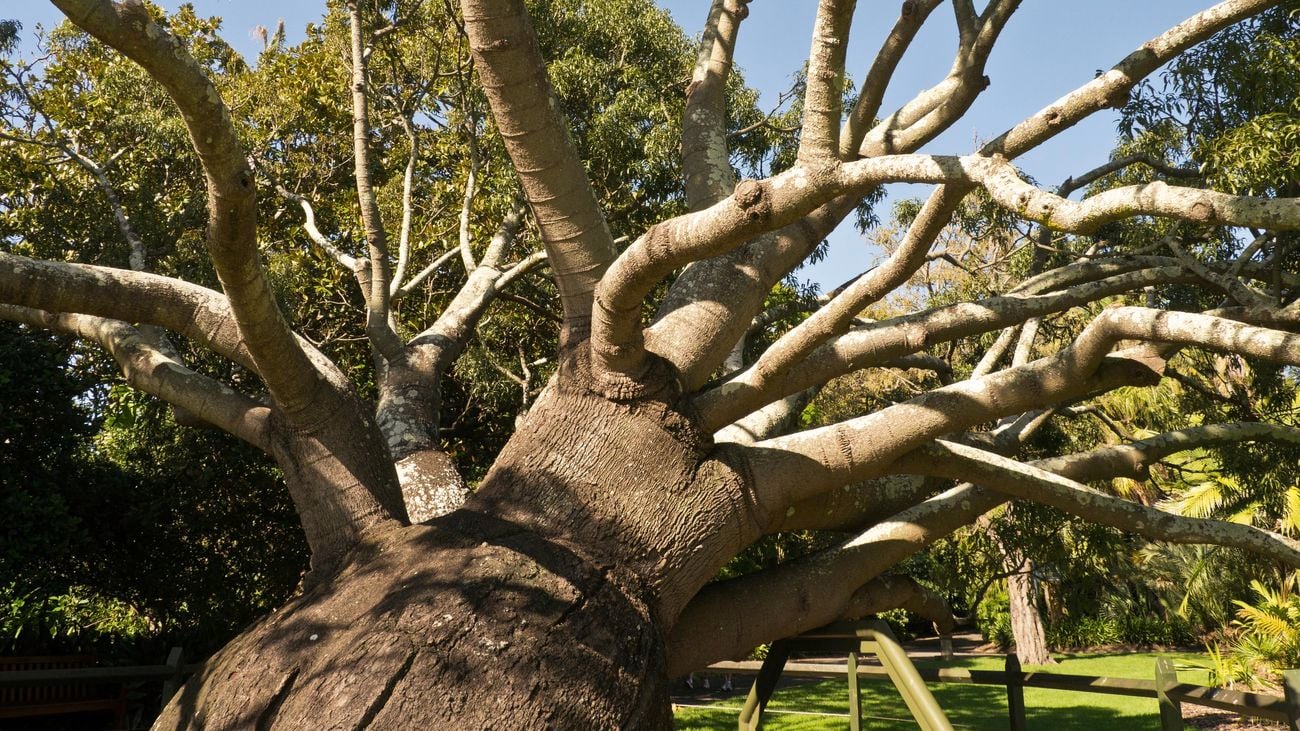

Planting & Growing
Best plants for gardening with kids

Name: boab, baobab (Andansonia gregorii).
Height: from 5–15m depending on age and growing conditions.
Foliage: mid-green, oval, in circles of 4–5.
Climate: sub-tropical, warm temperate and semi-arid areas.
Soil: sandy to sandy loam; well-drained.
Position: full sun, exposed position.
Flowering: large, white and fragrant; appear in the wet season and open at night.
Feeding: 6-month controlled-release fertiliser with low (less than 3%) phosphorus at planting and start of summer.
Watering: only when plants are in leaf and growing over summer; withhold water from April–December.
The baobab has a bottle-shaped trunk (known as a caudex) that, unlike “normal” trees, is filled with soft fibrous wood that allows it to store water. The tree may reach to 10–12m with a spread of branches at its top. The caudex of an old baobab may be 20m or more in circumference. This may be too big for a lot of gardens, so consider your garden size before planting.
Mid-green, oval leaves appear at the start of the wet season each year. They are produced in circles at the tips of short stems around December. Being deciduous, baobab leaves yellow and drop as the wet season ends, with trees entering dormancy during the “dry”.
Its flower is quite stunning. It opens and is pollinated at night and lasts only a day or two. On mature trees, flowers are produced high up on the branches, making them a bit hard to see. They are creamy white, quite large and highly fragrant. Flowering peaks in summer and autumn.
Baobabs bear hard pods that hang down from the branches. When harvested and dried, the pods can be opened and the seeds extracted from the pithy material surrounding them. The seeds are edible, reputedly having a sherbet-like flavour. They can be crushed and added to a range of foods.
Baobab has the best chance of surviving when planted out in early summer, around the time it normally starts making new growth.
Watering: the “wet season–dry season” cycle should continue in the garden. Daily watering is essential from the time the tree starts producing new leaves until leaf drop, after which water should be withheld completely. If necessary, use plastic sheeting to encircle the trunk and protect the roots from rainfall. The black poly sheeting used in vegie gardens and strawberry beds is ideal for this.
Fertilising: add a 6-month controlled-release native fertiliser (less than 3% P) at the beginning of summer each year. This will provide all the nourishment needed to maintain vigour through to the next dormant period.
Baobab should not need pruning. It is very slow growing and tends to be reasonably symmetrical in habit.
The only trouble you’re likely to encounter is root rot if the baobab is not kept completely dry while it is dormant. Give it the exact conditions it prefers, duplicating those of its original habitat, and it will be happy.
Frangipani: the fragrance of the tropics, offering highly perfumed flowers in shades from white to deep pink.
Desert rose: stout-stemmed succulent with rich pink to red flowers; perfect for pots.
Yucca: architectural succulent that thrives in arid conditions, perfect counterfoil to baobab.
Check out our huge range of plants now and get your garden growing!


 Get Inspired
 Ask Questions
 Share Projects