
Keeping our team and customers safe.Learn more about how we use facial recognition technology in our stores. Read more


 Lowest Price Policy^
 Spend & Earn Rewards
 2 hour Click & Collect
 Easy in-store Returns
Growing and propagating a philodendron plant

Growing and caring for a philodendron plant
A philodendron plant can be a great addition to any tropical garden. With our tips, you'll be growing and propagating philodendron varieties before you know it.
What you need to know about philodendron
Name: philodendron, xanadu (the older, larger garden type is Philodendron bipinnatifidum; the most popular today is the compact P. xanadu).
Plant type: evergreen, may form a trunk or climb as an epiphyte.
Height: varies with philodendron varieties.
Foliage: varies with philodendron varieties, generally glossy, dark green. Some quite large, over 1m, and can have deeply lobed edges.
Climate: tropical, sub-tropical, warm temperate and warm, sheltered spots in cold temperate.
Soil: rich, open, free-draining.
Position: full sun to shade.
Flowering and fruiting: Flowers, if seen, appear in summer, with seeds taking a few months to ripen.
Feeding: for best performance, regular feeding with a controlled-release fertiliser supplemented with a seaweed or liquid organic product.
Watering: keep moist in warmer or drier months.
Appearance and characteristics of philodendron
Philodendron is probably best known from its gardening heyday in the groovy 60s and 70s. Its big bold shape and tropical overtones just seemed to fit the times. Since then, it's become a bit of a landscape mainstay, particularly the newer, more compact forms. Philodendron bipinnatifidum can become very large, and if growing beside walls or trees it can start to climb, using long, sticky aerial roots, sometimes becoming very big, very quickly. Philodenron xanadu, on the other hand, maintains a neat form, making it super useful for landscaping and pots, so that's the form we'll look at here.
On a technical note, the name 'Xanadu' has been somewhat contentious in botanical circles. This popular variety was originally though to be a cross or hybrid between a couple of different species, so was often sold as Philodendron 'Xanadu'. It's now widely thought to actually be a species form, so technically should be described as Philodendron xanadu.
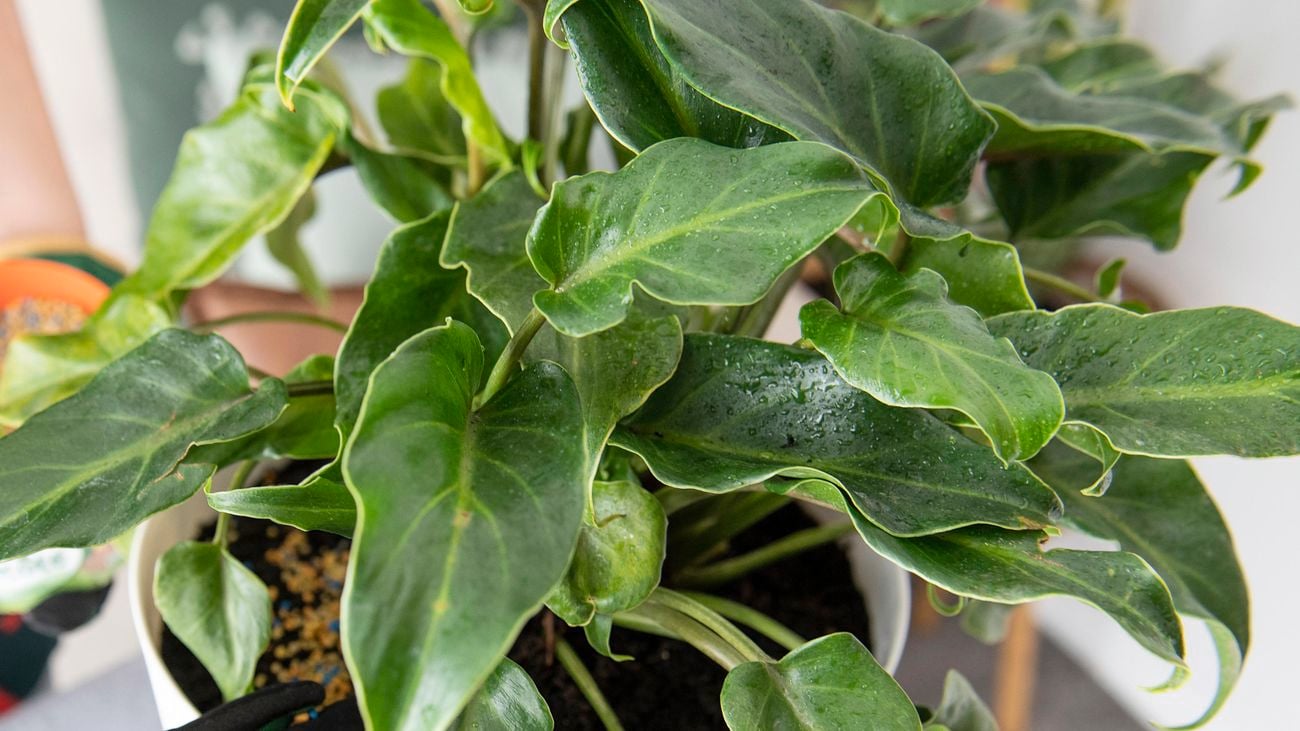
When young, the plant will appear to have a clumping form with a spray of foliage, as its leaves will arise from a central point. With time it will develop a trunk, although this will often be totally concealed by the foliage as its form becomes mound-like. The leaves may be almost heart-shaped when the plant is younger, but as it matures they will develop the typical deeply lobed form. On mature plants leaves can be up to 30cm long by 20cm wide. The leaves are a very shiny, generally deep green and have a clearly pronounced mid-rib and veins.
Philodendron can take 15 years or more to reach a mature enough stage to produce flowers. When the flower is ready to be pollinated, the plant will heat the flower parts up to around 35°C to attract pollinating insects.
Some parts of philodendron are considered as having a degree of toxicity, which can cause digestive upsets if eaten. As a precaution, keep plants away from inquisitive pets and kids.
Uses for philodendron
Philodendron can be grown for a variety of uses, including:
- a must-have plant for sun or shade in tropical-look gardens.
- use as a single feature plant or in groups or even borders.
- excellent for under-planting in shady areas beneath taller plants such as frangipanis.
- superb potted specimen – indoor philodendrons are very popular.
How to plant and grow a philodendron
Preferred conditions
- Sunlight: full sun to semi-shade with protection from harshest light. If growing your philodendron indoors, aim for a well-lit position away from direct sunlight. It will become a little leggy and open if shade is too heavy in the garden or indoors.
- Aspect: warm position, avoiding harsh or drying winds.
- Soil: free-draining quality soil or premium potting mix.
- Water: requires reliable moisture to perform well, especially in the warmer months.
Philodendron planting tips
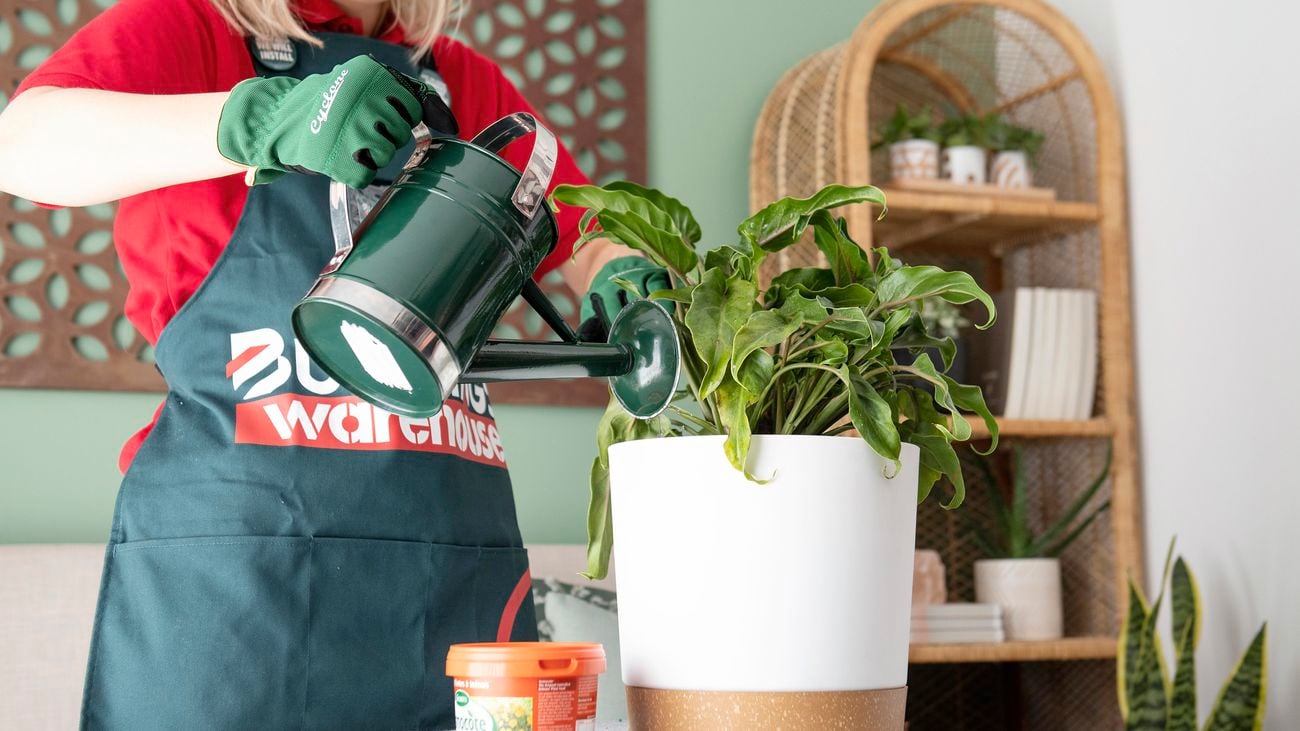
For best results, follow these tips when planting your philodendron:
- Improve soil with a quality compost or well-composted manure before planting.
- Mulch will to help retain moisture.
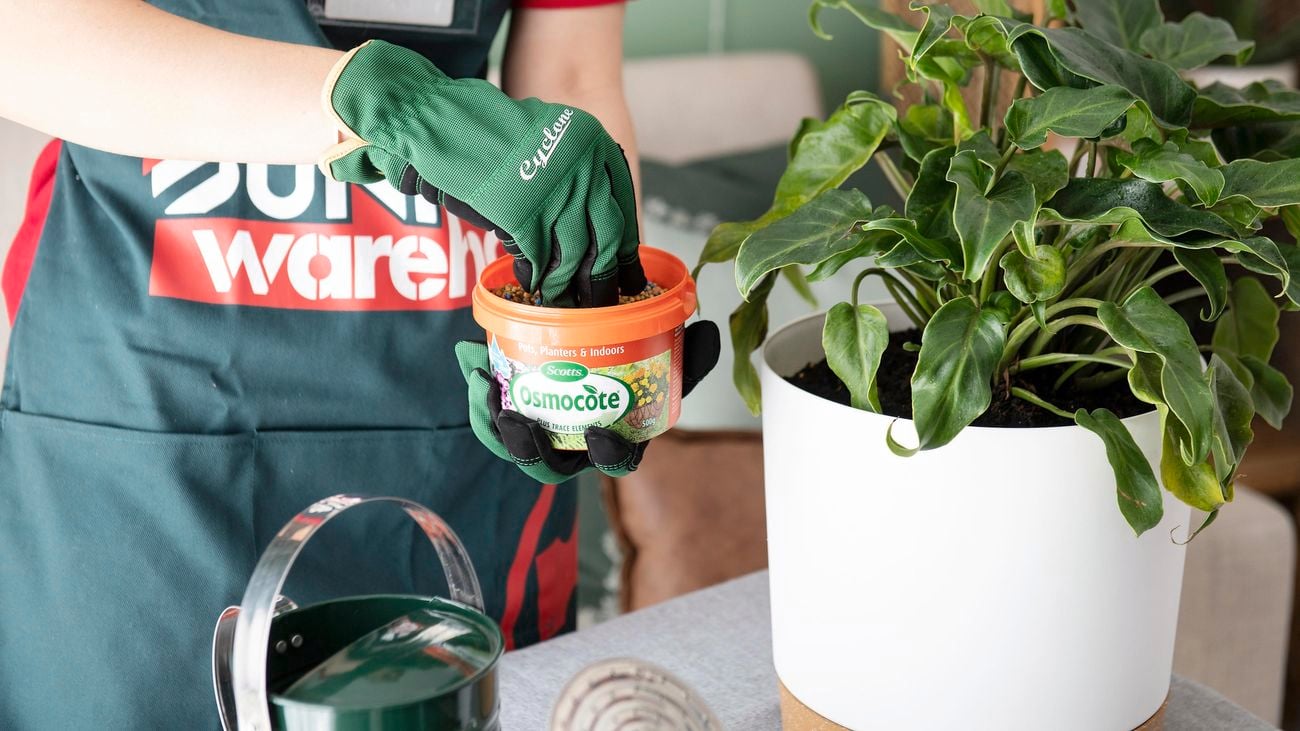
- Add a controlled-release fertiliser.
Caring for philodendron
The only pruning your philodendron will need will be to remove dead or damaged leaves.
Philodendron diseases and pests
Mealy bug may be an issue on plants grown indoors. Talk with a plant health specialist in your local nursery if this occurs.
How to propagate philodendron
Mature plants can be carefully lifted and the root structure can be divided. Place the new sections into a pot filled with quality potting mix until they establish. Plants may also develop pups or offsets around the base. These can be carefully removed and re-potted until established.
If you like this then try
Bromeliad: amp up your tropical theme by adding some easy-care bromeliads.
Murraya: looking for a small feature tree or hedge with tropical appeal? You can't go past the fragrant flowering murraya.
Hibiscus: nothing says tropical quite the way the hibiscus does.
Start planting today
Check out our huge range of plants now and get your garden growing!
Suggested products


More D.I.Y. Advice


Health & Safety
Please make sure you use all equipment appropriately and safely when following the advice in these D.I.Y. videos. You need to be familiar with how to use equipment safely and follow the instructions that came with the equipment. If you are unsure, you may feel it is safest to consult an expert, such as the manufacturer or an expert Bunnings Team Member.
Grave health hazards are linked to asbestos, which may be in homes built up to 1990. Health hazards may result from exposure to lead-based paints in older materials and copper chromium arsenic (CCA) treated timber. For information on the dangers of asbestos, lead-based paint and CCA treated timber and tips for dealing with these materials contact your local council's Environmental Health Officer.
Please make sure you use all equipment appropriately and safely when following the advice in these D.I.Y. videos. You need to be familiar with how to use equipment safely and follow the instructions that came with the equipment. If you are unsure, you may feel it is safest to consult an expert, such as the manufacturer or an expert Bunnings Team Member.
Grave health hazards are linked to asbestos, which may be in homes built up to 1990. Health hazards may result from exposure to lead-based paints in older materials and copper chromium arsenic (CCA) treated timber. For information on the dangers of asbestos, lead-based paint and CCA treated timber and tips for dealing with these materials contact your local council's Environmental Health Officer.