Turn your garden into a safe haven for birds and other native pollinators.
Key overview: How to rewild your garden
- Replan your garden so that it combines food, shelter and habitat for native species.
- Plant a range of species to ensure there are food sources available in all seasons.
- Encourage insect life with hiding spots, plants with tangled branches and lizard lounges.
- Don’t aim for perfection – leaf piles and branches provide shelter and living spaces for native creatures.
- Target native species predators like rats, mice, stoats and possums.
- Consider bird nesting boxes.
- Watch for signs of Avian influenza (bird flu) which threatens the health of native and introduced birds
Our clean, green whenua (land) is a source of national pride in Aotearoa but, as we grow, our native wildlife is increasingly under pressure. Recent data from Stats NZ reveals that over 80 per cent of bird, bat and reptile species are facing extinction or are at risk of it*. One way to support these animals is to rewild your green space. This means increasing biodiversity by giving native wildlife more food sources and habitat to help them flourish. Colin O’Donnell, principal science advisor at the Department of Conservation (DOC), says every garden can contribute. “Nature doesn’t just exist on conservation land, and wildlife doesn’t recognise boundaries,” explains Colin. “We can make a big difference by taking small actions wherever we are.”
Tip: Always wear the appropriate safety equipment (safety glasses, gloves, ear muffs and a mask, for example) and always follow the instructions for the product or equipment.
What is rewilding?
Rewilding gardens means returning the land to its natural ‘wild’ state, says ecologist and landscape architect Renee Davies.
How to start rewilding your green space
- Make a plan. Even wild gardens need a plan, which helps create a garden that functions as a coherent habitat rather than a collection of plants. “Gardens that combine food, shelter and habitat tend to support a wider range of species,” says Renee.
- Go native. While many New Zealand birds will feed on exotic plants, native plants and trees are their natural food sources and will have less competition from introduced birds.
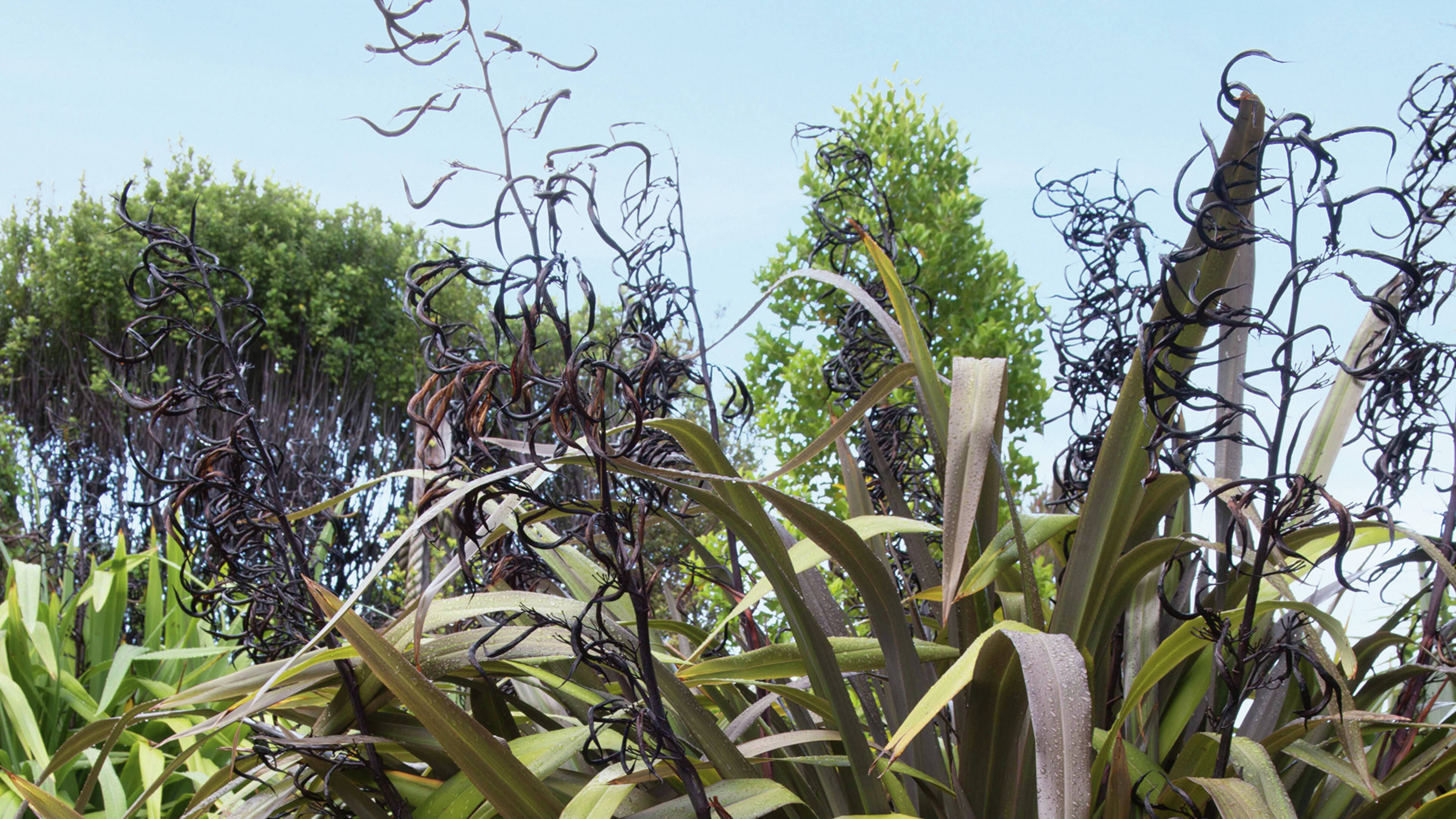
- Consider the type of birds you want to attract and what they like to eat. For example, korimako (bellbird), tauhou (silvereyes) and tūī are nectar eaters and love tubular flowers as well as the odd insect. “Good planting options for these birds are kōwhai and harakeke (flax) with their profuse flowers; dense coprosma species that provide both shelter and food; and hebe as a low-growing shrubby option that also attracts insects,” says Colin O’Donnell. Berries are the favourite of the kererū (New Zealand pigeon). To attract berry-eaters, Colin suggests planting karamū (Coprosma robusta). “Karamūplanted en masse can provide fruit and form useful hedges for gardens.”
- Plant food sources for all seasons. Native creatures need food sources year-round, so plant species that provide in different seasons. Pūriri has food seeds and nectar all year, and in the North Island it’s also home to the caterpillar of the pūriri moth, a snack of our native owl, the ruru (morepork). Karo (Pittosporum crassifolium) has nectar or seeds nine months of the year, and fruit-bearing coprosma is a good food source in cooler seasons.
How to encourage insect life in your wild garden
Many native insects and pollinators are threatened, and are also part of the food chain. Pīwakawaka (fantail), ruru and pekapeka-tou-roa (the pint-sized endangered bat most likely to visit suburban areas) all love insects. Bugs are also the go-to food for many native geckos and skinks. To encourage insect life:
- Provide lots of hiding places; you can build a bug hotel using sticks and leaves, or a special wētā motel to encourage Aotearoa’s threatened invertebrates (DOC has a design online).
- Plant to attract native geckos and skinks. Look for tussocks, grasses and plants with tangled branches such as pōhuehue (muehlenbeckia) to keep predators at bay.
- Add sweet treats, which they love. Lianne Wilson of Evergreen Garden Care suggests coprosma and kawakawa for their berries. “Mānuka and rātā provide nectar for lizard species,” she says.
- Build a lizard lounge to support geckos and skinks further, Renee suggests. “Lizards depend on sun-exposed areas to regulate their body temperature, but also need spaces nearby for refuge,” she says. “A successful lizard habitat combines layered native planting with built elements like logs, stones and tightly spaced cavities to create a textured, connected environment where they can bask, hide and forage within a close proximity.”
Why are messy parts of your garden good for rewilding?
The wild, untidy parts of your garden can be thriving eco- systems for nature. “You have my permission to be messy!” says Colin. “A layer of leaves can help protect soil, retain moisture and provide habitat for tiny creatures. A fallen branch can become shelter for insects and other wildlife.”
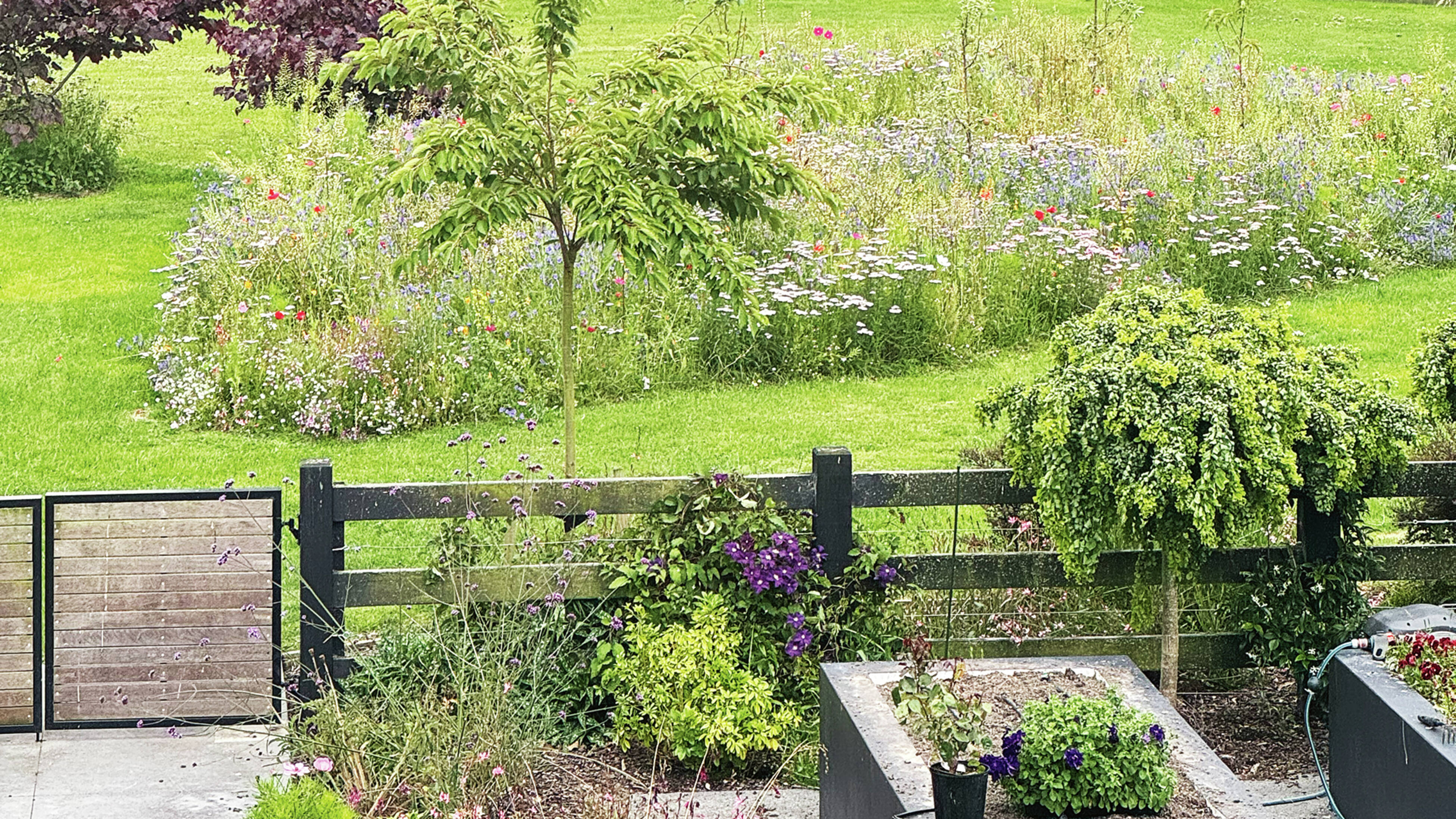
Allowing your lawn to grow long enough for daisies or clover to flower will provide food for
pollinators. Or, you could go replace your lawn with a native groundcover or wildflowers.
How to deal with predators in your garden
Many native species are threatened by introduced predators like rats, mice, stoats and possums. “Introduced predators kill about 25 million native birds every year,” says Colin. “They also
target lizards, insects, frogs and bats.”
- Learn to spot the signs. To target predators in your yard, Jessi Morgan of Predator Free NZ suggests looking for burrows, rice-sized poops, chewed plastic or nibbled veges. Chew cards are another good way to identify them. “These peanut-butter-filled cards attract predators which then leave distinct bite marks,” says Jessi.
- Place traps. Traps range from simple snap traps to the National Animal Welfare Advisory Committee-approved Goodnature traps. “Rats like to travel along linear paths, but not in the open; place traps along fence lines, hedges and near rubbish, compost or vege planters.” If you’re using a snap trap, a tunnel is essential. “It keeps the trap safe from curious kids and pets,” says Jessi. Predator Free NZ has free D.I.Y. tunnel and chew card guides online. For heavy infestations, Edralyn Versoza of Kiwicare says to use several traps. “Place two to three traps in a row, several feet apart, in sheltered areas – such as under shrubs and along walls – where you’ve seen rodents running,” she says.
- Cat owners can consider a catio. “Keeping them indoors, especially at night, can aid in protecting wildlife,” says Colin. If you live in an area where stoats, possums or ferrets are an issue, seek further advice for trapping these larger animals from Predator Free NZ or DOC. “The more people helping us make Aotearoa predator-free, the greater the impact,” says Colin.
Why should you make nests in your wild garden?
Nesting habits vary among native birds and bats; small species value dense plants for nesting, while ruru, kōtare (kingfishers) and pekapeka- tou-roa prefer big canopy trees. Colin says dead and old trees with hollows are also sought after. If hearing the melodic call of ruru appeals, consider
building a nesting box high up in a sheltered tree. Wingspan National Bird of Prey Centre have a free nesting box guide online.
How to watch out for bird flu signs
Avian influenza (bird flu) is a threat to New Zealand’s biosecurity and the health of native and introduced birds. Signs of bird flu include the sudden or unexpected death of multiple birds as well as drowsiness, lack of coordination and an inability to fly. The Ministry for Primary Industries (MPI) advises that while bird flu is a very low risk to human health, everyone should keep an eye out for signs of the disease. Wash and dry hands after filling bird feeders or clearing bird droppings, and report sick birds to MPI on 0800 80 99 66 or online.
Frequently asked questions and answers
Q: Can I rewild a small space?
A: Yes, every garden can support native wildlife, and even small wild gardens contribute to the bigger wildlife conservation efforts.
Q: Do I have to use only native plants?
A: It’s better to use mostly native plants. Remember that elements you already have in your garden help too, like rocks for insect hiding spots and piles of leaves and fallen branches.
Q: How do I grow a wild lawn?
A: Allow your lawn to grow long enough for daisies or clover to flower and provide food for
pollinators. Or replace your lawn with a native groundcover or wildflower seeds.
Keep in mind...
- Wear gloves and a mask when handling mulch, compost and potting mix and when pruning, along with long sleeves, as the leaves and sap of some plants can be a skin irritant and/or
cause allergic reactions.
- Planting seasons vary according to region. Check with your local store.
- Store garden chemicals and products out of reach of children and pets.
- Take care when selecting plants as some can be poisonous to children and pets, and check their suitability for your region, some may be classified as weeds in certain regions.
Want to bring all the bugs to your yard?
Check out our article on how to make a bug hotel.
Photo credit: Juliet Nicholas, Brianne West.


 Lowest Price Policy^
 Spend & Earn Rewards
 2 hour Click & Collect
 Easy in-store Returns


 Get Inspired
 Ask Questions
 Share Projects