


 Lowest Price Policy^
 Free delivery* with
 4 hour Click & Collect
 Easy in-store Returns
How to grow and care for portulaca

These pretty flowering succulents provide many months of colour and need minimal care and attention. The most popular form is the annual Portulaca grandiflora, or moss rose, which bears masses of bright little blooms in a range of vibrant colours throughout summer and autumn.
What you need to know about portulaca
Name: portulaca, moss rose, sun plant, rose moss, rock rose, Portulaca grandiflora, Portulaca oleracea.
Height: 15-20cm.
Plant type: annual succulent.
Climate: all climates.
Soil: well-drained.
Position: full sun.
Flowers: single, semi-double or double blooms in shades of red, pink, orange, yellow and white.
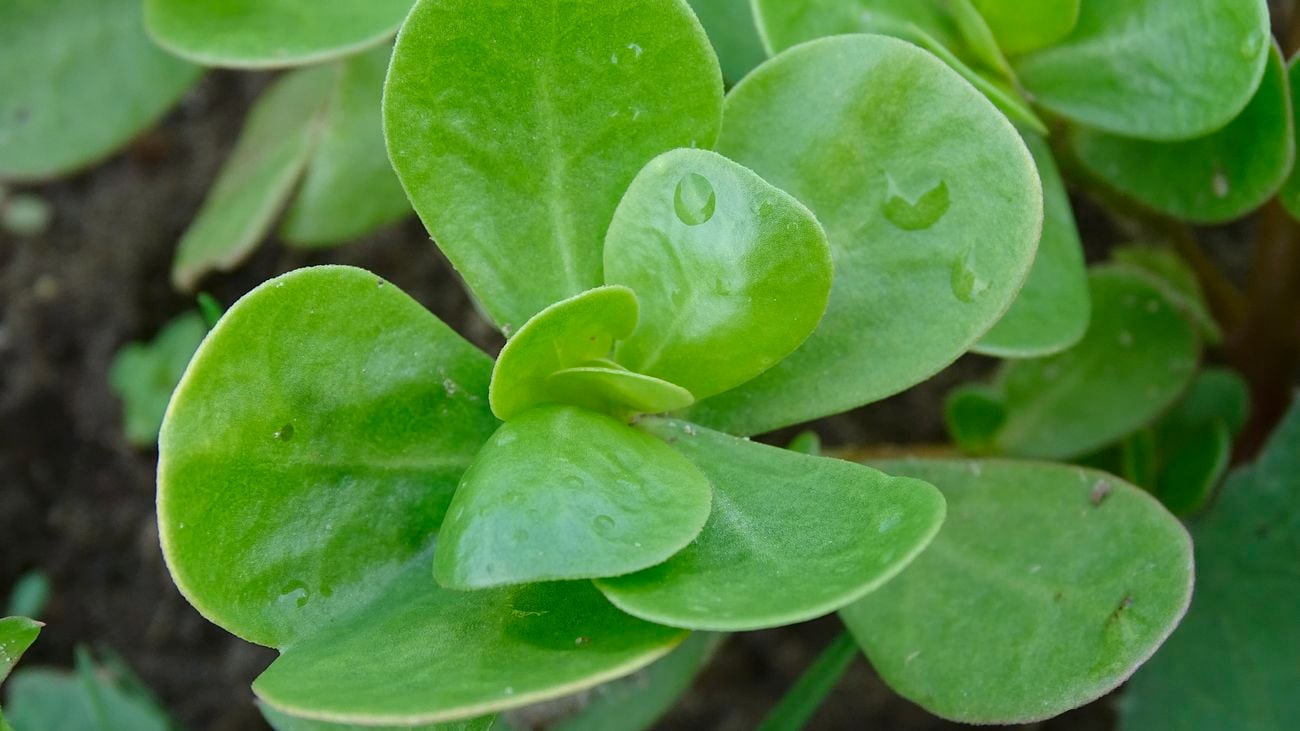
Foliage: small, cylindrical or flat and fleshy.
Feeding: feed every one to two weeks with a liquid fertiliser.
Watering: water regularly when first planted, reducing frequency when roots are established.
Appearance and characteristics of portulaca
Portulaca has small fleshy leaves, typical of a succulent, and a low-growing, trailing habit. Plants grow to about 20cm tall with a spread of around 30-40cm. They flower right through the summer months and into autumn. Each plant produces a mass of jewel-like, multi-petalled blooms, about 2.5cm wide, in a range of bright colours, including yellow, pink, red, orange and white.
Portulaca self-seeds readily, so while the whole plant dies off in winter, it’s likely its seeds will sprout once the weather starts to warm in the spring.

Uses for portulaca
Portulaca thrives in hot, dry conditions, so is perfect for providing a wonderfully easy-care splash of colour in garden beds, rockeries or along pathways. Its drought-tolerant quality also makes it ideal for tubs, containers and hanging baskets in sun-exposed positions.
How to grow portulaca
As it is native to hot, dry regions of the world, portulaca does best in full sun and well-drained soil. It can be grown from seed in seed trays or directly in garden beds in spring or early summer. Cover the seeds with a light sprinkling of seed-raising mix, as they need some light to germinate. Water with a fine spray to keep the soil moist until the seedlings emerge (after about two weeks). Alternatively, you can plant nursery-bought seedlings, which are available in spring and early summer.
Caring for portulaca
These hardy bloomers need minimal care. Trim off spent flowers with a pair of scissors to keep plants tidy, and rotate tubs and containers to maximize their sun exposure – flowers will close up if they’re in shade.
How often should you water and feed portulaca?
Water regularly when plants are young and reduce frequency once they’re established. To encourage ongoing blooms, apply a liquid fertiliser for flowering plants about every one to two weeks.
How and when to prune portulaca
With its trailing stems, portulaca gradually spreads as it grows. While it doesn’t need to be pruned, it might benefit from a trim in mid-summer if it gets too leggy or straggly.
Diseases and pests that affect portulaca
While portulaca is not prone to any major pests or diseases, its fleshy leaves can be attractive to birds. If you notice any pecking at the young seedlings, protect the plants with bird netting.
How to propagate portulaca
Portulaca is easy to grow from either seed or seedlings. It can also be propagated from stem cuttings.
If you like this, then try
Cosmos: an annual with long, slender stems and open blooms in various pastel shades.
Angelonia: this perennial flowers profusely over summer and is tolerant of full sun and dry conditions.
Cuphea: a hardy groundcover with small leaves and masses of tiny blooms.
Start planting today
Check out our wide range of plants now and get your garden growing!
Photo Credit: Getty Images
Suggested products


More D.I.Y. Advice


 Get Inspired
 Ask Questions
 Share Projects
Bunnings Workshop is an online community for D.I.Y. and gardening discussion. Get your questions answered at workshop.bunnings.com.au
Get inspired by projects from the Bunnings Workshop community
Health & Safety
Please make sure you use all equipment appropriately and safely when following the advice in these D.I.Y. videos. You need to be familiar with how to use equipment safely and follow the instructions that came with the equipment. If you are unsure, you may feel it is safest to consult an expert, such as the manufacturer or an expert Bunnings Team Member.
Grave health hazards are linked to asbestos, which may be in homes built up to 1990. Health hazards may result from exposure to lead-based paints in older materials and copper chromium arsenic (CCA) treated timber. For information on the dangers of asbestos, lead-based paint and CCA treated timber and tips for dealing with these materials contact your local council's Environmental Health Officer.
Please make sure you use all equipment appropriately and safely when following the advice in these D.I.Y. videos. You need to be familiar with how to use equipment safely and follow the instructions that came with the equipment. If you are unsure, you may feel it is safest to consult an expert, such as the manufacturer or an expert Bunnings Team Member.
Grave health hazards are linked to asbestos, which may be in homes built up to 1990. Health hazards may result from exposure to lead-based paints in older materials and copper chromium arsenic (CCA) treated timber. For information on the dangers of asbestos, lead-based paint and CCA treated timber and tips for dealing with these materials contact your local council's Environmental Health Officer.